
Irembo Logistics: How We Handle Airport Transfers with Multi-Generations
Can three generations comfortably navigate an East African safari? Discover how our “Slow-fari” approach de-risks your milestone journey. From private transfers to meticulous pacing for seniors and toddlers, we transform logistical anxiety into a seamless, sophisticated, and life-changing family experience.
Irembo Logistics: How We Handle Airport Transfers with Multi-Generations
Embarking on an East African safari with your entire family, spanning generations from young children to grandparents, is undoubtedly a life-changing dream. However, the “Can we actually do this?” question often lingers, fueled by logistical anxieties and the complexity of managing diverse needs. At Irembo Holiday Safaris, we understand these concerns profoundly. Our mission is to transform your vision into a seamless, worry-free reality, and it all begins with meticulous planning, starting from the very first step of your journey: arrival. We recognize that for a European family, transparency and organization are paramount, and we are committed to providing you with a sophisticated and reassuring travel experience. This includes de-risking every step, ensuring comfort, safety, and a stress-free start to your safari adventure.
Prioritizing Comfort and Safety from the Outset
The journey to East Africa often involves long flights, and arriving with a multi-generational group requires careful consideration of comfort and safety. We understand that young children may be tired and restless, while elderly family members might require extra assistance. That’s why we prioritize the use of private, air-conditioned vehicles for all our airport transfers. This ensures that you can relax and unwind after your flight, without the stress of navigating public transport or crowded shuttles. Our vehicles are spacious and comfortable, allowing everyone to stretch out and arrive at their destination feeling refreshed. Safety is also a top priority, and we ensure that all our vehicles are well-maintained and equipped with seat belts for every passenger.
Personalised Attention and Seamless Transitions
We believe that every family is unique, and we tailor our services to meet your specific needs. Upon arrival at the airport, you will be met by our professional and friendly representatives, who will assist you with your luggage and guide you to your private vehicle. We understand that traveling with multi-generations can involve extra luggage, so we make sure that our vehicles are large enough to accommodate everything. Our representatives are also trained to handle any special requests or requirements that you may have, ensuring a seamless transition from the airport to your accommodation.
Expert Local Knowledge and Reassurance
Navigating a new country can be daunting, especially with a large group. Our experienced drivers have expert local knowledge and will ensure that you reach your destination safely and efficiently. They are also happy to share interesting facts about the local culture and landmarks, providing a glimpse into the wonders that await you on your safari. This local knowledge also extends to understanding traffic patterns and potential delays, ensuring that you arrive at your destination on time.
Flexibility and Adaptability for Diverse Needs
We recognize that multi-generational groups have diverse needs, and we are prepared to adapt to any changes in your itinerary or requirements. Whether you need to make a quick stop at a pharmacy or require extra time for a senior family member, we are happy to accommodate your requests. Our drivers are patient and understanding, and will work with you to ensure that everyone in your group is comfortable and happy.
Beyond the Airport Transfer: A Journey of Discovery
Our commitment to your family’s comfort and well-being extends far beyond the initial airport transfer. Throughout your safari, we will be there to support you, providing personalized service and ensuring that every detail is taken care of. From organizing game drives that are suitable for all ages to recommending restaurants that cater to diverse tastes, we are dedicated to creating a truly unforgettable experience for your family.
Embracing the Magic of East Africa as a Family
An East African safari is a magical experience that can create lifelong memories for families of all ages. By choosing Irembo Holiday Safaris, you are choosing a partner who understands the unique challenges and rewards of multi-generational travel. We are committed to de-risking your trip and ensuring that you can focus on making incredible memories with your loved ones. We invite you to embark on this life-changing adventure with us and experience the wonders of East Africa through a lens of comfort, safety, and personalized service.
Irembo Logistics: How We Handle Airport Transfers with Toddlers
Dreaming of a safari but worried about the ‘airport-to-lodge’ meltdown? Discover the Irembo approach to toddler-friendly logistics. We handle the car seats, the snacks, and the timing so you can focus on making memories. Your family adventure starts here—without the stress.
For families dreaming of an East African safari, the allure is magnetic. Witnessing a pride of lions, a vast savannah stretching to the horizon, the sheer scale and beauty of the natural world—it’s a potent image, a promise of a life-changing adventure. But between the dreaming and the doing, a pragmatic, and perhaps slightly daunting, reality sets in. Logistics. Especially when “logistics” involves not just coordinating flights and camps, but doing so with a very real, very young human in tow. The questions are many, and they often start with the very first steps on East African soil: “How do we even get from the airport to our first lodge, with a toddler, without a complete meltdown?”
At Irembo Holiday Safaris, we understand. We’ve seen the look in parents’ eyes. The blend of excitement and sheer logistical terror. It’s the “Can we actually do this?” look. Our answer? A resounding yes. And it’s a yes backed by meticulous planning, child-centric thinking, and a deep understanding of the unique challenges—and immense rewards—of family safaris in East Africa. This isn’t just about a vacation; it’s about a family milestone, an experience that will shape and strengthen your bond in ways you can’t yet imagine. And it all begins with the arrival.
We believe that de-risking the trip, and specifically the initial arrival, is key. If that first transition, from the sterile familiarity of an airport to the vibrant energy of East Africa, is seamless, then the foundation for the entire adventure is laid. A stressed parent is not a present parent, and a stressed toddler is, well, we all know how that ends. So, let’s talk about that crucial first step: the airport transfer. This is more than just a drive; it’s the bridge between the planning and the experience.
Pre-Arrival: A Partnership in Planning
Our commitment to a smooth arrival begins long before you land. In fact, it starts when you first connect with us. We don’t just book a vehicle; we curate an arrival experience. This process begins with a detailed conversation about your family. Who’s traveling? What are their ages? What are your toddler’s specific needs, routines, and temperaments? Does your child nap at a certain time? Are there any specific snacks they love (or can’t stand)? Is there a comfort object, a soft toy, or blanket, that is absolutely non-negotiable?
This isn’t idle curiosity. This is the fuel for our personalized planning. It allows us to match you with the right driver and the right vehicle, and to pre-stock that vehicle with everything needed to make the transfer not just manageable, but positive.
Furthermore, we provide you with a detailed itinerary for the entire arrival process. This isn’t just a list of times; it’s a narrative of the day. You’ll know who will be meeting you, what their sign will look like, the vehicle type, the approximate duration of the drive, and what amenities will be on board. We find that knowledge is a powerful de-risker. When parents feel informed and in control, that calm translates to their children.
Meet and Greet: The First Point of Connection
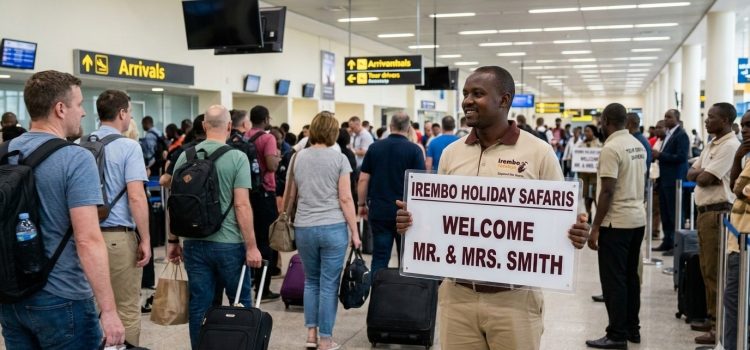
The moment you step out of the secure arrivals area can be overwhelming. The noise, the crowd, the unfamiliar language—it’s a sensory experience. That’s why the Irembo meet and greet is designed to be a beacon of calm and clarity. Your driver, with your name clearly displayed, will be in a pre-arranged, easily identifiable location.
Our drivers are chosen for their experience with families. They understand that a long flight, particularly with a toddler, can be incredibly draining. The first priority isn’t to rush to the vehicle; it’s to greet you with a warm smile, extend a helpful hand with luggage, and provide a moment of calm. They will offer assistance with car seats, which are always provided and correctly installed before you even exit the airport. This isn’t an afterthought; it’s a core safety standard. You tell us the size of seat your child needs, and it will be there, secured and ready.
We also understand that sometimes the smallest gesture makes the biggest difference. Your driver will have a personalized ‘arrival kit’ ready in the vehicle. This includes:
-
Hydration, Pre-Thought: Individual water bottles for each family member.
-
A Familiar Friend: For the toddler, a pre-arranged soft toy, perhaps a little lion or elephant, waiting in their seat. A small, reassuring connection to the new environment.
-
The Comfort Kit: A selection of snacks you’ve pre-approved, perfect for preventing a post-flight, pre-dinner meltdown.
-
Hygiene & Comfort: Child-safe wet wipes, a light blanket, and even a small, pre-loaded tablet with a few calming, familiar shows or music (only if requested, of course).
This isn’t just “providing snacks.” It’s an intentional effort to address the immediate physical and emotional needs of a child, which in turn addresses the logistical and emotional needs of the parent. It’s de-risking through anticipatory care.
The Vehicle: Not Just a Ride, but a Sanctuary
The choice of vehicle for a family with a toddler is crucial. For this specific transfer, we prioritize safety, space, and a certain level of comfort. Our fleet of 4×4 safari vehicles is maintained to the highest standards, ensuring reliability. For family groups, we typically use vehicles that offer ample space for both passengers and luggage.
Crucially, the seating arrangement is designed for interaction and monitoring. We avoid configurations that leave a parent disconnected from their child. The space isn’t just for comfort; it’s for movement. If a toddler gets restless, there’s a little room.
The interior environment is controlled and comfortable. Air conditioning is a standard, allowing for a temperate cabin regardless of the heat outside. We also use vehicle tracking systems, providing an extra layer of operational oversight and safety, a fact that we know provides additional peace of mind to our guests.
But the real magic isn’t the specifications; it’s the environment we create within that space. The pre-stocked amenities, the soft lighting, the calm demeanor of the driver—it all combines to create a small, mobile sanctuary. The journey from the airport becomes a moment of pause, a chance to breathe, and for the child, perhaps a chance to drift off into a needed nap, lulled by the gentle rhythm of the road.
The Journey: The Driver as an Unsung Hero
The road from the airport is your first proper introduction to East Africa. But it can also be long, sometimes bumpy, and potentially tiring. This is where the skill and empathy of our drivers truly shine. They are not just chauffeurs; they are your first guides, your logistical linchpins, and your family’s calm center.
Our drivers are experienced in the routes they travel. They understand the patterns of traffic and are adept at navigating them smoothly. Their driving style is defined by a deep sense of responsibility. It’s a gentle, steady pace, mindful of their tiny passengers.
Importantly, our drivers are also trained to handle the ‘what ifs’ that only a toddler can provide. A sudden bathroom need? They know the locations of clean, safe stops along the route. A complete refusal of a car seat? They have the patience and experience to work with you to find a solution, without adding pressure or judgment. A sudden curiosity about the world passing by the window? They can point out interesting birds or a glimpse of a different landscape, turning a potentially boring drive into a moment of shared discovery.
And they are empowered to be flexible. If a toddler is clearly in a deep, needed sleep, and the drive is going smoothly, they won’t feel the need to rush. The focus is on the comfort of the passengers, not a rigid schedule.
We also believe in connection, and your driver is your first connection. While they respect your need for quiet, they are also open to conversation, able to answer those first questions about the region, the culture, or even just what to expect at your first lodge. This subtle introduction can be incredibly de-stressing for parents who are stepping into the unknown.
Arrival at the Lodge: The Final Piece of the Puzzle
The transfer doesn’t end when the vehicle stops. Our responsibility extends to your very first moments at your destination. Your driver will ensure a smooth hand-off to the lodge staff. They will handle the luggage, and more importantly, they will ensure that you, as a family, are settled.
This includes helping you with the transition of the toddler. The driver, having spent the last hour or so with you, will have a sense of the child’s mood and needs. They can relay a quick note to the lodge staff—perhaps the child is hungry, or needs a direct path to a quiet space. They will wait to ensure that the car seat is properly uninstalled (by them) and that you have everything from the vehicle.
It’s about making sure that last transition, from the vehicle to your new “home base,” is just as seamless as the first. We don’t want you arriving at a beautiful lodge only to be immediately overwhelmed by the logistics of check-in while juggling a tired child and luggage.
The Elephant in the Room: Let’s Talk Safety
We know that for European families, safety is a primary, and valid, concern. This is the ultimate “de-risker.” At Irembo, safety is not a line item; it’s the very soil in which all of our operations are rooted. When it comes to airport transfers with toddlers, this means:
-
Vehicle Maintenance: Our fleet is subject to a rigorous, documented maintenance schedule. It is simply non-negotiable. Reliability is key to safety.
-
Professional, Vetted Drivers: Every one of our drivers undergoes a comprehensive screening and vetting process. This includes driving records, background checks, and an assessment of their interpersonal skills, particularly their ability to interact well with families.
-
First Aid Training: Our drivers are all trained in basic first aid. We also ensure that each vehicle is equipped with a comprehensive first aid kit.
-
Operational Oversight: Our team in the operations center tracks every vehicle. This isn’t just for efficiency; it’s a direct safety measure. We know where you are, always.
-
Partnerships in Excellence: Our choice of airport for your arrival and departure, the quality of our vehicles, and the standards of our partners—all are selected based on a shared commitment to safety and quality.
Why Irembo? Because We Understand It’s Personal
A family milestone safari isn’t a transactional experience. It’s deeply personal. It’s an investment in memories, in a shared story. We treat it as such.
Our focus on the small, child-centric details—the familiar comfort object, the pre-installed car seat, the curated ‘arrival kit’—isn’t just good service. It’s a statement about our values. We believe that every family, regardless of their child’s age, deserves to experience the magic of East Africa with peace of mind.
By de-risking the critical first step of the airport transfer, we’re not just moving people; we’re facilitating the start of a profound family experience. We’re removing the “how do we even do this?” roadblocks, allowing you to focus on the joy of discovery and the wonder of the journey itself.
So, when you think about that first step onto East African soil, think about Irembo. Think of the warm greeting, the waiting car seat, and the calm assurance. Think of the journey not as a hurdle, but as the first, beautifully navigated passage on a life-changing adventure for your family. We don’t just say, “Yes, you can do this.” We say, “Yes, we’ve planned for it.”
Let the adventure begin. Let the memories start. Let Irembo handle the logistics.
The “Flight Kit”: Survival Guide for the 8-Hour Flight from London/Paris/Amsterdam
The “Flight Kit”: Survival Guide for the 8-Hour Flight from London/Paris/Amsterdam
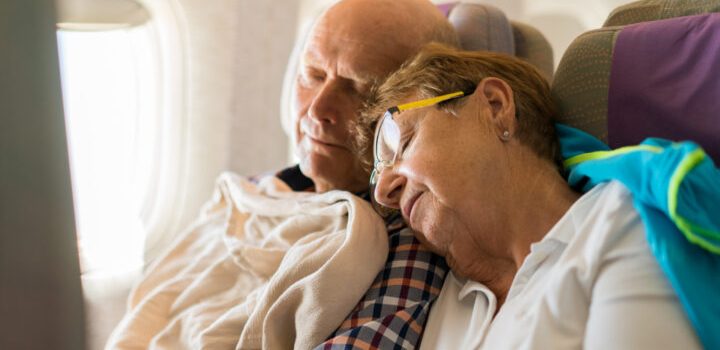
For many of our distinguished guests at Irembo Holidays Safaris, the dream of an African safari—of witnessing the sun rise over the savannah, hearing the distant roar of a lion, or locking eyes with a mountain gorilla—is a lifelong ambition. We specialize in making these dreams a reality for seniors. However, we also know that when you are traveling from London, Paris, or Amsterdam, there is one giant hurdle between your armchair and the bush: the 8-to-11-hour long-haul flight.
We’ve heard the hesitant questions during our consultation calls: “Can we actually do this trip?” or “Will I be too exhausted to enjoy the safari once I arrive?”
The answer is a resounding YES, you can. An African safari is absolutely achievable, and it doesn’t have to start with a harrowing physical ordeal. The key isn’t found in endurance; it’s found in preparation. At Irembo, we believe the adventure begins not when you land, but when you begin de-risking the journey.
This is your ultimate “Flight Kit” Survival Guide. By packing smart and managing your body effectively during those hours in the air, you won’t just survive the flight from Europe; you will arrive refreshed, dignified, and ready for the magic that awaits you.
The Philosophy of “De-risking” Your Journey
When we talk about “de-risking” a long-haul flight for seniors, we are looking at three main areas of concern:
-
Medical Risks: Managing existing conditions, medication, and circulation (DVT).
-
Physical Comfort Risks: Preventing stiffness, dehydration, and exhaustion.
-
Psychological Risks: Reducing anxiety, ensuring entertainment, and maintaining a sense of control.
By addressing these systematically within your Carry-On “Flight Kit,” you turn the flight from a threat to your health into a simple, managed component of your vacation.
Chapter 1: The Essential Medical & Health Kit
This is the most critical section of your kit. If this section is right, you have mitigated 80% of the risk.
1. The 24-Hour Medication Strategy
Never, under any circumstances, pack your essential medications in your checked luggage. If your suitcase decides to take a vacation to Tokyo while you are heading to Entebbe, your health should not be compromised.
-
The Kit: Pack a transparent, dedicated pouch. Include all your prescription medications for the duration of your trip, plus an extra 5-day supply in case of unexpected delays.
-
The Documentation: Carry a physical copy of your prescriptions and a brief letter from your doctor summarizing your conditions. This is invaluable at customs or if you need medical assistance abroad.
-
The Schedule: If you are crossing multiple time zones, ask your pharmacist or doctor before you leave about the best way to adjust your medication timing.
2. The DVT Defense: Compression Socks
Deep Vein Thrombosis (DVT)—blood clots forming in deep veins due to immobility—is a valid concern on long flights.
-
The Kit: Wear medical-grade compression socks (15-20 mmHg or 20-30 mmHg, as recommended by your doctor). Do not buy cheap “travel socks” from the airport gift shop; get them from a pharmacy to ensure they have the correct graduated pressure. Put them on before you head to the airport.
3. Personal Hygiene & First Aid Pouch
Cabin air can be dry, making you more susceptible to germs.
-
The Kit: Hand sanitizer, sanitizing wipes (to wipe down your tray table and armrests), your preferred pain reliever (e.g., paracetamol or ibuprofen), and any personal items like eye drops or saline nasal spray to combat dryness.
Chapter 2: The Physical Comfort & Wellness Kit
The key to physical comfort is managing your micro-environment. You can’t control the seat size, but you can control how your body feels in it.
1. The Hydration Station
Dehydration is the primary cause of fatigue and jet lag. Airplane cabins have lower humidity than many deserts.
-
The Kit: Bring an empty, reusable water bottle through security and fill it up at the gate. Refuse alcohol and caffeine on the flight, as they are diuretics and will worsen dehydration. Aim to drink the equivalent of your filled bottle every three hours.
2. Layering for Thermal Control
Cabin temperatures are notorious for fluctuating between “arctic tundra” and “tropical greenhouse.”
-
The Kit: Do not wear one heavy coat. Wear loose, breathable layers. A base layer, a light sweater or cardigan, and a comfortable scarf or pashmina are ideal. Slip-on shoes are essential for ease at security, but bring cozy socks for the flight itself, as feet can swell and get cold.
3. The Sleeping Support System
Sleeping on a plane is tough, but creating a “sleep bubble” helps your body rest, even if you don’t fully conscious sleep.
-
The Kit: Invest in a high-quality, supportive neck pillow (memory foam or the specialized Trtl pillow), a contoured eye mask that doesn’t pressure your eyelids, and noise-cancelling headphones or high-quality earplugs.
Chapter 3: The Psychological Support & Entertainment Kit
An 8-hour flight can feel much shorter if your mind is engaged. Reducing anxiety is a key part of de-risking.
1. Digital Entertainment
Do not rely solely on the airline’s in-flight system. Sometimes they break, or they don’t have what you like.
-
The Kit: Your tablet, e-reader, or smartphone, fully loaded. Before leaving home, download several movies, TV series, audiobooks, and your favorite music.
-
The Power: Bring a small, lightweight portable power bank (external battery) and the necessary charging cables. Many long-haul planes have USB ports, but you should not rely on them.
2. Analog Joy
Giving your eyes a break from screens is important.
-
The Kit: A physical book or magazine, crosswords, Sudoku, or a small journal to jot down your first impressions of the journey.
3. A Strategic Snack Pouch
Airline meals are scheduled for their logistics, not your metabolism.
-
The Kit: Pack small, high-protein, non-perishable snacks like protein bars, nuts (unsalted to avoid dehydration), or dried fruit. This ensures your blood sugar stays stable if you don’t like the meal or if service is delayed.
Putting It All Together: Your Packing Tactics
Now that you know what to pack, let’s talk about how. You don’t want to be wrestling with a heavy carry-on bag in the overhead locker.
1. The Two-Bag Tactic
-
Bag A (Overhead): A lightweight wheeled cabin bag for items you only need once, like your main change of clothes for arrival.
-
Bag B (Personal Item – Under Seat): This is your Flight Kit. It should be a smaller tote, backpack, or messenger bag that contains everything listed above. It stays at your feet for easy, immediate access.
2. The Pouch System
Within your personal item bag, organize everything into distinct, clear pouches:
-
Pouch 1: Medications & Doctor’s Notes
-
Pouch 2: Toiletries & First Aid
-
Pouch 3: Electronic Cables & Power Bank
-
Pouch 4: Snacks
The Irembo Commitment: From the Gate to the Bush
We know that even with the most perfect Flight Kit, you will still be tired upon arrival. That is why the Irembo de-risking strategy doesn’t end when you land. We structure our safaris specifically to honor your journey.
1. The Calm Arrival
When you arrive in Entebbe, Kigali, or Kilimanjaro, you will not be navigating chaotic taxi ranks or confusing public transport. Our trusted Irembo guide will be waiting for you directly outside the arrivals hall with a clear sign, ready to help you with your luggage and whisk you away in a comfortable, private vehicle.
2. The “Soft Landing” Itinerary
We do not schedule a 6 AM game drive the morning after a long-haul flight. Our standard practice for seniors is to build in a “Soft Landing” day. You will spend your first night in a comfortable, quiet lodge near the airport. This gives you time to shower, have a proper meal, sleep in a real bed, and acclimatize before your safari adventure officially begins.
3. Personalized Pace
Our guides are trained to read their guests. If you are feeling fatigued, your guide will adjust the day’s pace. Safaris with Irembo are not about rushing to tick boxes; they are about enjoying the bush at a dignified, comfortable pace that suits you.
Conclusion: You Can Do This
The next time the thought “Can we actually do this trip?” crosses your mind, we want you to visualize your Flight Kit. See your medications organized, your compression socks ready, your favorite audiobook downloaded, and your supportive pillow packed.
You are not conquering the flight; you are managing it. You are taking the risk out of the journey so you can focus entirely on the reward. We are here to make that reward incredible.

Malaria-Free Zones: A guide to Southern Africa vs. East Africa’s low-risk pockets.
The dream of an African safari is often a vibrant tapestry of experiences: the earth-shaking rumble of an elephant herd, the breathtaking grace of a giraffe grazing on an acacia tree, and the fiery oranges and pinks of a savanna sunset. But for many, this dream comes with a shadow of hesitation. The whispers of tropical diseases, particularly malaria, can transform anticipation into anxiety. “Can we actually do this?” becomes a persistent question, especially for families with young children, elderly travelers, pregnant women, or individuals with specific health concerns.
Let’s address that hesitation head-on. The answer is a resounding yes, you can. De-risking your safari trip is not just possible; it’s a standard part of our planning at Irembo Holiday Safaris. We understand that peace of mind is as crucial to a great vacation as game drives. The key is to know your options and make an informed decision based on your specific health needs and risk tolerance.
This guide is designed to empower you by comparing the distinct approaches to malaria risk management in two of Africa’s most popular safari regions: Southern Africa and East Africa.
The Foundation: Understanding Malaria Risk in Africa
Malaria, a disease transmitted by the bite of an infected Anopheles mosquito, is a reality in many parts of sub-Saharan Africa. However, risk is not uniform. It’s a complex puzzle of geography, climate, and elevation.
-
Climate: Mosquitoes thrive in warm, humid conditions.
-
Rainfall: Standing water is the breeding ground for mosquitoes. The rainy season, which varies by region, is typically the period of highest risk.
-
Elevation: Generally, areas above 1,500 – 2,000 meters (about 4,900 – 6,500 feet) are considered to have a significantly reduced risk of malaria. The cooler temperatures at higher altitudes make it difficult for the mosquito and the parasite to survive.
The Clear Differentiator: Southern Africa’s Established Malaria-Free Zones
If you are looking for a completely malaria-free safari, Southern Africa is your primary destination. Through years of dedicated management and a fortunate combination of geography and climate, specific regions in South Africa can confidently claim “malaria-free” status.
For many travelers, this isn’t just a low-risk option; it’s a no-risk option. It eliminates the need for any chemical prophylaxis, which can be a relief for those concerned about potential side effects or for young children.
South Africa: The Pioneer of Malaria-Free Safaris
South Africa has been a trailblazer in creating safe, high-quality safari experiences in areas completely free of malaria. The two most prominent examples are:
1. Madikwe Game Reserve
Located in South Africa’s North West Province, right on the border with Botswana, Madikwe is the premier choice for a luxury, malaria-free safari. It’s one of South Africa’s largest reserves and a true conservation success story.
-
What Makes it Malaria-Free? Madikwe is a high-altitude semi-desert region. The arid climate and lack of consistent surface water create a natural barrier.
-
The Safari Experience: It’s incredible. Madikwe is home to the “Big Five” (lion, leopard, elephant, buffalo, and rhino). It is also famed for its stable populations of the rare African wild dog and the cheetah.
-
De-Risking Verdict: The risk is near zero. This is the ultimate peace-of-mind destination. It’s perfect for multi-generational family trips, including toddlers.
2. The Eastern Cape Reserves
This region, stretching from the temperate south coast up into the dramatic, drier interior, offers a range of excellent, malaria-free private reserves, including Amakhala, Kwandwe, and Kariega.
-
What Makes it Malaria-Free? These reserves are situated in a temperate climatic zone that does not support the malaria vector.
-
The Safari Experience: The Eastern Cape offers a unique landscape of rolling hills, dramatic valleys, and thicket vegetation. While you can find the “Big Five,” the focus here is often on the scenic beauty and specialized encounters with animals like black rhino, buffalo, and cheetah.
-
De-Risking Verdict: Like Madikwe, this region offers a completely malaria-free environment, making it a stress-free choice for any traveler.
A Different Strategy: East Africa’s Low-Risk Pockets
The approach in East Africa, a region encompassing Kenya and Tanzania, is different. While South Africa boasts malaria-free zones, East Africa focuses on low-risk pockets.
In East Africa, the risk can vary dramatically within a single safari itinerary. An outright malaria-free status is rare, but by carefully timing your visit and choosing specific locations, you can reduce the risk to a level that many health professionals and travelers find acceptable. In almost all cases for East Africa, taking antimalarial medication is the recommended and responsible course of action. This means the question becomes not “Can we do this without malaria?”, but rather, “Can we do this with an intelligent and manageable plan?”
Where are the Low-Risk Areas?
In East Africa, risk levels are primarily dictated by elevation.
1. High-Altitude Locations: The Best of East Africa’s Low Risk
If your dream safari is to see the iconic landscapes of the Ngorongoro Crater or to hike Mount Kenya, you are in luck.
-
Ngorongoro Crater, Tanzania: The rim of the crater is around 2,300 meters (7,500 feet). While the crater floor itself might have some risk, the rim and the surrounding Ngorongoro Conservation Area are considered very low-risk areas due to the cool temperatures.
-
Nairobi, Kenya: As one of Africa’s highest capitals (around 1,795 meters), Nairobi is a low-risk zone.
-
Central Highlands, Kenya: Areas around Mount Kenya and the Aberdare Range offer dramatic scenery and a very low risk of malaria.
2. The Dry Season: Your Timing Strategy
Your choice of season is the single most powerful factor you can control in East Africa.
-
Dry Season (June to October): This is the ideal time to travel for many reasons. Not only is game viewing spectacular as animals congregate around fewer water sources, but the lack of rain also severely limits mosquito breeding. While not a malaria-free period, it is the lowest-risk time of year.
The De-Risking Strategy for East Africa
For a trip to East Africa, the plan for mitigating malaria risk is a three-part approach:
-
Intelligent Itinerary Design: Work with a specialist (like us at Irembo Holiday Safaris) to structure your trip to spend time in high-altitude zones or to travel during the dry season.
-
Prophylaxis: Consult a travel health doctor. Modern antimalarial medications like Malarone or doxycycline are highly effective and generally well-tolerated.
-
Personal Protection Measures: This is your best line of defense. The “ABCD” approach is simple and effective:
-
Awareness of the risk.
-
Bite prevention: Use insect repellent with at least 20-30% DEET on exposed skin. Wear long, loose-fitting clothing in light colors, especially in the evenings and early mornings when mosquitoes are most active. Use a permethrin-treated mosquito net in areas where they are provided (which they are, in all quality lodges).
-
Chemo-prophylaxis (taking antimalarial medication).
-
Diagnosis: Seek medical help immediately for any flu-like symptoms after your trip.
In both Uganda and Rwanda, “low-risk” is a relative term. Unlike the specific pockets of South Africa that are certified malaria-free, these two countries are considered malaria-endemic. However, their dramatic topography—characterized by soaring mountains and high plateaus—creates “low-risk pockets” where the climate is too cool for mosquitoes to thrive consistently.
If you are asking “Can we actually do this?” because you want to minimize exposure, these are the regions to focus on:
1. Rwanda: The “Land of a Thousand Hills” Advantage
Rwanda has made incredible strides in malaria control, and its high average elevation makes it one of the safest bets in East Africa.
-
Volcanoes National Park: This is the premier low-risk zone. The park’s altitude ranges from 2,400m to over 4,500m. At these heights, the temperatures often drop too low at night for the Anopheles mosquito to remain active. While you should still take precautions, the biological risk here is significantly lower than in the plains.
-
Kigali: As one of Africa’s highest capital cities (1,567m), Kigali is considered a low-transmission area. The government also employs aggressive “Indoor Residual Spraying” (IRS) and drone-led larviciding in the city, making it a very manageable urban stopover.
-
Nyungwe Forest: Like the Volcanoes region, this high-altitude montane rainforest is much cooler than the surrounding lowlands, naturally suppressing mosquito populations.
2. Uganda: The Highland Havens
Uganda is generally higher risk than Rwanda due to its many lakes and lower-lying basins, but its southwestern corner is a major exception.
-
Bwindi Impenetrable & Mgahinga National Parks: These are the “cool” corners of Uganda. Bwindi sits between 1,190m and 2,607m. While the lower valleys of the forest still carry risk, the higher ridges and lodges are considered low-transmission zones.
-
The Rwenzori Mountains: Often called the “Mountains of the Moon,” this range reaches permanent snow-capped heights. Any trekking above 2,000m in this region effectively moves you out of the malaria “strike zone.”
-
Southwestern Highlands (Kabale & Kisoro): Often called the “Switzerland of Africa,” these districts are famous for their chilly nights and misty mornings. They have historically had very low transmission rates, though we still recommend standard protection.
| Strategy | Why it works in Uganda/Rwanda |
| Altitude is Your Ally | Stick to the parks listed above. Avoid staying long in low-lying areas like the shores of Lake Victoria or the northern savannas. |
| The “Dry” Window | Visit during the long dry season (June–September). Fewer puddles mean fewer breeding grounds, reducing the low risk even further. |
| Lodge Selection | Many luxury lodges in Bwindi and Volcanoes are built on high ridges specifically to catch the breeze and stay above the mosquito “flight ceiling.” |
The Decision: What’s Right For You?
The “Can we actually do this?” question has two correct answers, depending on who you are.
You should prioritize Southern Africa’s Malaria-Free Zones if:
-
You have very young children (e.g., under 5 years old) for whom there are few suitable antimalarial medication options.
-
You are pregnant or planning a pregnancy.
-
You have a pre-existing health condition that makes any infection or the side effects of medication a significant risk.
-
Your priority is a guarantee of zero malaria risk for maximum peace of mind. You don’t want the slight worry that comes with even low-risk situations.
You should feel confident planning an East Africa Safari if:
-
You are a healthy adult or have older children.
-
You have the flexibility to travel during the dry season (June – October).
-
You are willing to follow a robust, three-part prevention plan (smart planning, medication, and bite prevention).
-
Your heart is set on specific, iconic experiences like the Great Migration, and you are comfortable with a managed, very low risk.
Conclusion: Trusting your Instincts and your Experts
The most important thing to remember is that you are not alone in making this decision. At Irembo Holiday Safaris, our expertise is not just in knowing where the animals are, but also in understanding the needs of our clients.
We don’t provide a one-size-fits-all safari. We are a family of travelers ourselves, and we approach your planning with the same care and consideration we would use for our own. If you have any hesitation, the best first step is to pick up the phone or send us an email. Let’s talk about your concerns, your travel group, and what you dream of seeing. We can create an itinerary that is perfectly aligned with your comfort level.
De-risking a safari trip isn’t about compromising on the experience; it’s about choosing the right experience for you. The result is not just a safer trip, but a more profound one. When the element of worry is removed, you can truly connect with the magic of Africa. The sound of the elephant herd becomes a powerful memory, the sunset becomes an emotional experience, and the entire safari becomes the trip of a lifetime.
Ready to experience the magic of the savanna with total peace of mind? Reach out to [our team] to start planning your perfect malaria-free African adventure.
The Manifesto: Why 2026 is the year of the “Toddler Safari.”
The Manifesto: Why 2026 is the Year of the “Toddler Safari”
For years, the unspoken rule of the African safari was “wait.” Wait until they can sit still for six hours. Wait until they don’t need a nap. Wait until they are ten, twelve, or “old enough to remember it.”
At Irembo Holiday Safaris, we believe the “wait” is over. In fact, we’re calling it: 2026 is the Year of the Toddler Safari.
The travel landscape has shifted. Parents are no longer looking for “kid-friendly” versions of adult trips; they are seeking transformative family experiences that don’t sacrifice luxury or safety. With advancements in boutique lodge design, specialized guide training, and our own proprietary “De-Risking” logistics, the question isn’t “Can we actually do this?” anymore. It’s “Why haven’t we booked yet?”
This is our manifesto on why your two-to-five-year-old belongs in the bush, and how we ensure the only “wild” thing about your trip is the wildlife—not the logistics.
1. De-Risking the “Big Fears”
The primary barrier to a toddler safari is rarely the child; it’s the parent’s valid concern for safety, health, and sanity. To move from “maybe” to “yes,” we have restructured our 2026 family circuits to address the three pillars of risk.
Malaria and Health: The “Green Zone” Strategy
We prioritize “low-risk” and “malaria-free” pockets of East Africa or utilize lodges with high-elevation locations where mosquito activity is naturally minimal. Furthermore, our 2026 partnerships are exclusive to lodges with on-site medical coordinators and 24/7 links to AMREF Flying Doctors. We don’t just bring you to the wild; we bring the safety net with us.
The “Fenced” Guarantee
The romantic notion of a lion wandering past your tent loses its charm when you have a curious three-year-old. Our toddler-specific itineraries prioritize fully fenced luxury lodges. You get the 360-degree views and the sounds of the African night, but with a physical perimeter that allows your child to run on the grass without you hovering.
Food and Routine
“Will they eat?” is the universal toddler-parent prayer. Our private chefs at Irembo-vetted lodges don’t just offer “chicken nuggets.” They provide “Bush-to-Belly” menus—nutritious, familiar foods blended with mild local flavors, served on your schedule. If your child needs dinner at 5:30 PM to avoid a meltdown, dinner is served at 5:30 PM.
2. The Logistics of “Yes”: How We Make it Work
The “Can we actually do this?” question usually boils down to the “middle bits”—the transfers, the waits, and the gear.
Private Vehicles: Your Living Room on Wheels
On an Irembo Holiday Safari, a family with a toddler always has a private vehicle.
- No “Shushing”: If your toddler wants to sing “Baby Shark” while looking at a giraffe, they can. No other guests will be bothered.
- Flexible Turn-arounds: If a diaper emergency happens or a nap is looming, we head back to the lodge immediately. You are the boss of the schedule.
- Safety Seats: We provide international-standard car seats and boosters, properly tethered into our 4×4 Land Cruisers.
The “Slow-fari” Itinerary
We have officially retired the “six-hour game drive” for families. The 2026 Toddler Safari is about Short & Sharp encounters.
- 90-Minute Game Drives: Perfectly timed to the toddler attention span.
- Mid-Day Basecamp: We choose lodges with “watering hole views” so the safari continues from the safety of your veranda while your child plays with LEGOs or naps in the shade.
3. The “Educational Edge” (Before They Even Start School)
There is a misconception that toddlers won’t “get” a safari. In reality, toddlers are the world’s best naturalists. They notice the dung beetle, the shape of the acacia leaf, and the color of the lizard on the rock—things adults often overlook in search of the “Big Five.”
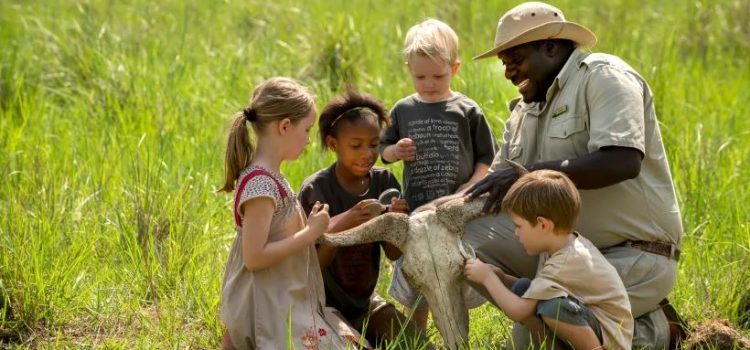
The Irembo “Junior Ranger” 2026 Program
We’ve revamped our child engagement for 2026. Instead of passive watching, we facilitate active discovery:
- Track Casting: Making plaster molds of lion or hyena tracks found near the lodge.
- Traditional Storytelling: Local guides sharing age-appropriate folklore about why the zebra has stripes.
- Bush Crafts: Learning to weave or identify birds by their song.
4. Why 2026? The New Era of Safari Lodges
The industry has listened. 2026 marks the opening of several “Family-First” wings in Uganda, Kenya, and Tanzania. These aren’t just rooms with an extra bed; they are Private Safari Villas.
Imagine a two-bedroom suite with a private plunge pool (fenced on request), a dedicated “Bush Nanny” who is trained in first aid and early childhood play, and a kitchen that stocks your child’s favorite brand of milk. This level of customization is no longer a “premium add-on”—it is the standard for our 2026 family packages.
5. The “De-Risk” Checklist: Our Promise to You
To answer the final “Can we?” we provide every family with an Irembo De-Risking Kit before they fly:
- The Gear Guide: What to pack (and what we provide, like strollers and wipes) to save on luggage weight.
- The Flight Hack: Our specialists coordinate short “bush hops” to avoid long, bumpy road transfers.
- The 24/7 Concierge: A dedicated Irembo representative is on WhatsApp 24/7 from the moment you land in Entebbe or Nairobi to handle any “toddler-sized” surprises.
The Verdict
The “Toddler Safari” isn’t about checking off a bucket list. It’s about the look on a four-year-old’s face when they see a “real-life Pumbaa” for the first time. It’s about the quiet moments in a luxury tent, disconnected from screens, reconnected as a family.
In 2026, the infrastructure is ready. The safety protocols are proven. The lodges are designed for you.
The only question left is: Which park will be their first?
The Ethics of Luxury: How Your Safari Supports the Maasai Mara
For the seasoned traveler, a safari is rarely just about ticking a lion or leopard off a list. It is about the silence of the savannah at dawn, the smell of wild sage, and the deep, storied connection between the land and its people.
At Irembo Holiday Safaris, we believe that the most luxurious experience isn’t just found in the thread count of your linens or the vintage of your sundowner wine—it is found in the knowledge that your presence actively protects the landscape you’ve come to admire.
Beyond the Park Gates: The Rise of the Conservancy
While the Maasai Mara National Reserve remains an iconic destination, the modern “Silver Traveler” is increasingly looking toward the Community Conservancies that border it.
The distinction is vital. In a National Reserve, land is managed by the state. In a Conservancy (such as Mara North or Naboisho), the land belongs to hundreds of Maasai families. By choosing a safari that operates within these conservancies, you are entering into a professional partnership with the traditional landowners.
In the Mara, you discover that the ‘wild’ is actually a carefully balanced home, shared by humans and animals for centuries.
How Your Visit Creates a Legacy
When you book with an ethical operator, your “bed-night fees” do more than keep the lights on. They provide:
- Guaranteed Income: Monthly lease payments go directly to Maasai households, providing financial stability that doesn’t depend solely on livestock.
- Wildlife Security: Because the community benefits financially from wildlife, the incentive to protect animals from poaching or human-wildlife conflict is at an all-time high.
- Education & Health: A significant portion of tourism revenue is funneled into local clinics and primary schools, ensuring that the next generation of the Mara has a bright future.
The “Silver” Benefit: Exclusivity and Intentionality
For travelers over 60, the chaos of “minivan marathons” in high-traffic areas can detract from the magic of the bush. The Conservancy model offers a more refined, dignified pace:
- Strict Vehicle Limits: In these private areas, you will often be the only vehicle at a sighting. There is no rush, no noise—just you and the rhythm of nature.
- The Art of the Bush Walk: For those who prefer birdwatching or botany over high-speed chases, conservancies allow for guided walking safaris. Led by a Maasai warrior, you’ll learn the medicinal uses of plants and the intricate language of tracks.
- Night Drives: Unlike the National Reserve, conservancies allow for drives after dark, offering a rare glimpse into the lives of nocturnal creatures like the elusive leopard or the honey badger.
Authentic Connection, Not Spectacle
We understand that our guests value authenticity over performance. We move away from staged “village tours” and toward meaningful exchange.
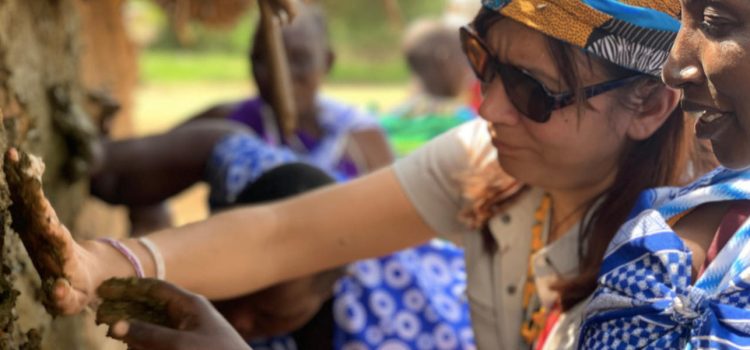
Whether it’s visiting a women’s beadwork cooperative where the artisans earn a fair trade wage, or sitting down with a senior ranger to discuss the challenges of 21st-century conservation, these moments offer a window into the real Africa. You aren’t just an observer; you are a patron of this ecosystem.
“To travel is to discover that everyone is wrong about other countries.” – Aldous Huxley.
Join Us for a Slower, Deeper Safari
At Irembo Holiday Safaris, we specialize in itineraries that honor both the traveler and the destination. We prioritize low-impact, high-contribution lodges that ensure your African legacy is as enduring as the Great Migration itself.
Are you ready to plan a journey that gives back as much as it gives to you? [Contact our specialist team today]to discuss our curated “Conservation Collection” of East African itineraries.