The dream of an African safari is often a vibrant tapestry of experiences: the earth-shaking rumble of an elephant herd, the breathtaking grace of a giraffe grazing on an acacia tree, and the fiery oranges and pinks of a savanna sunset. But for many, this dream comes with a shadow of hesitation. The whispers of tropical diseases, particularly malaria, can transform anticipation into anxiety. “Can we actually do this?” becomes a persistent question, especially for families with young children, elderly travelers, pregnant women, or individuals with specific health concerns.
Let’s address that hesitation head-on. The answer is a resounding yes, you can. De-risking your safari trip is not just possible; it’s a standard part of our planning at Irembo Holiday Safaris. We understand that peace of mind is as crucial to a great vacation as game drives. The key is to know your options and make an informed decision based on your specific health needs and risk tolerance.
This guide is designed to empower you by comparing the distinct approaches to malaria risk management in two of Africa’s most popular safari regions: Southern Africa and East Africa.
The Foundation: Understanding Malaria Risk in Africa
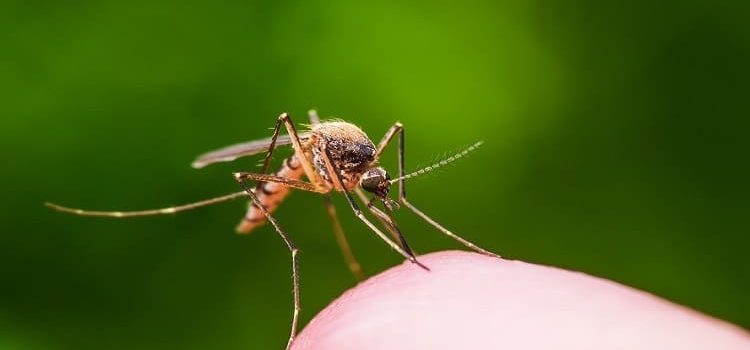
Malaria, a disease transmitted by the bite of an infected Anopheles mosquito, is a reality in many parts of sub-Saharan Africa. However, risk is not uniform. It’s a complex puzzle of geography, climate, and elevation.
-
Climate: Mosquitoes thrive in warm, humid conditions.
-
Rainfall: Standing water is the breeding ground for mosquitoes. The rainy season, which varies by region, is typically the period of highest risk.
-
Elevation: Generally, areas above 1,500 – 2,000 meters (about 4,900 – 6,500 feet) are considered to have a significantly reduced risk of malaria. The cooler temperatures at higher altitudes make it difficult for the mosquito and the parasite to survive.
The Clear Differentiator: Southern Africa’s Established Malaria-Free Zones
If you are looking for a completely malaria-free safari, Southern Africa is your primary destination. Through years of dedicated management and a fortunate combination of geography and climate, specific regions in South Africa can confidently claim “malaria-free” status.
For many travelers, this isn’t just a low-risk option; it’s a no-risk option. It eliminates the need for any chemical prophylaxis, which can be a relief for those concerned about potential side effects or for young children.
South Africa: The Pioneer of Malaria-Free Safaris
South Africa has been a trailblazer in creating safe, high-quality safari experiences in areas completely free of malaria. The two most prominent examples are:
1. Madikwe Game Reserve
Located in South Africa’s North West Province, right on the border with Botswana, Madikwe is the premier choice for a luxury, malaria-free safari. It’s one of South Africa’s largest reserves and a true conservation success story.
-
What Makes it Malaria-Free? Madikwe is a high-altitude semi-desert region. The arid climate and lack of consistent surface water create a natural barrier.
-
The Safari Experience: It’s incredible. Madikwe is home to the “Big Five” (lion, leopard, elephant, buffalo, and rhino). It is also famed for its stable populations of the rare African wild dog and the cheetah.
-
De-Risking Verdict: The risk is near zero. This is the ultimate peace-of-mind destination. It’s perfect for multi-generational family trips, including toddlers.
2. The Eastern Cape Reserves
This region, stretching from the temperate south coast up into the dramatic, drier interior, offers a range of excellent, malaria-free private reserves, including Amakhala, Kwandwe, and Kariega.
-
What Makes it Malaria-Free? These reserves are situated in a temperate climatic zone that does not support the malaria vector.
-
The Safari Experience: The Eastern Cape offers a unique landscape of rolling hills, dramatic valleys, and thicket vegetation. While you can find the “Big Five,” the focus here is often on the scenic beauty and specialized encounters with animals like black rhino, buffalo, and cheetah.
-
De-Risking Verdict: Like Madikwe, this region offers a completely malaria-free environment, making it a stress-free choice for any traveler.
A Different Strategy: East Africa’s Low-Risk Pockets
The approach in East Africa, a region encompassing Kenya and Tanzania, is different. While South Africa boasts malaria-free zones, East Africa focuses on low-risk pockets.
In East Africa, the risk can vary dramatically within a single safari itinerary. An outright malaria-free status is rare, but by carefully timing your visit and choosing specific locations, you can reduce the risk to a level that many health professionals and travelers find acceptable. In almost all cases for East Africa, taking antimalarial medication is the recommended and responsible course of action. This means the question becomes not “Can we do this without malaria?”, but rather, “Can we do this with an intelligent and manageable plan?”
Where are the Low-Risk Areas?
In East Africa, risk levels are primarily dictated by elevation.
1. High-Altitude Locations: The Best of East Africa’s Low Risk
If your dream safari is to see the iconic landscapes of the Ngorongoro Crater or to hike Mount Kenya, you are in luck.
-
Ngorongoro Crater, Tanzania: The rim of the crater is around 2,300 meters (7,500 feet). While the crater floor itself might have some risk, the rim and the surrounding Ngorongoro Conservation Area are considered very low-risk areas due to the cool temperatures.
-
Nairobi, Kenya: As one of Africa’s highest capitals (around 1,795 meters), Nairobi is a low-risk zone.
-
Central Highlands, Kenya: Areas around Mount Kenya and the Aberdare Range offer dramatic scenery and a very low risk of malaria.
2. The Dry Season: Your Timing Strategy
Your choice of season is the single most powerful factor you can control in East Africa.
-
Dry Season (June to October): This is the ideal time to travel for many reasons. Not only is game viewing spectacular as animals congregate around fewer water sources, but the lack of rain also severely limits mosquito breeding. While not a malaria-free period, it is the lowest-risk time of year.
The De-Risking Strategy for East Africa
For a trip to East Africa, the plan for mitigating malaria risk is a three-part approach:
-
Intelligent Itinerary Design: Work with a specialist (like us at Irembo Holiday Safaris) to structure your trip to spend time in high-altitude zones or to travel during the dry season.
-
Prophylaxis: Consult a travel health doctor. Modern antimalarial medications like Malarone or doxycycline are highly effective and generally well-tolerated.
-
Personal Protection Measures: This is your best line of defense. The “ABCD” approach is simple and effective:
-
Awareness of the risk.
-
Bite prevention: Use insect repellent with at least 20-30% DEET on exposed skin. Wear long, loose-fitting clothing in light colors, especially in the evenings and early mornings when mosquitoes are most active. Use a permethrin-treated mosquito net in areas where they are provided (which they are, in all quality lodges).
-
Chemo-prophylaxis (taking antimalarial medication).
-
Diagnosis: Seek medical help immediately for any flu-like symptoms after your trip.
In both Uganda and Rwanda, “low-risk” is a relative term. Unlike the specific pockets of South Africa that are certified malaria-free, these two countries are considered malaria-endemic. However, their dramatic topography—characterized by soaring mountains and high plateaus—creates “low-risk pockets” where the climate is too cool for mosquitoes to thrive consistently.
If you are asking “Can we actually do this?” because you want to minimize exposure, these are the regions to focus on:
1. Rwanda: The “Land of a Thousand Hills” Advantage
Rwanda has made incredible strides in malaria control, and its high average elevation makes it one of the safest bets in East Africa.
-
Volcanoes National Park: This is the premier low-risk zone. The park’s altitude ranges from 2,400m to over 4,500m. At these heights, the temperatures often drop too low at night for the Anopheles mosquito to remain active. While you should still take precautions, the biological risk here is significantly lower than in the plains.
-
Kigali: As one of Africa’s highest capital cities (1,567m), Kigali is considered a low-transmission area. The government also employs aggressive “Indoor Residual Spraying” (IRS) and drone-led larviciding in the city, making it a very manageable urban stopover.
-
Nyungwe Forest: Like the Volcanoes region, this high-altitude montane rainforest is much cooler than the surrounding lowlands, naturally suppressing mosquito populations.
2. Uganda: The Highland Havens
Uganda is generally higher risk than Rwanda due to its many lakes and lower-lying basins, but its southwestern corner is a major exception.
-
Bwindi Impenetrable & Mgahinga National Parks: These are the “cool” corners of Uganda. Bwindi sits between 1,190m and 2,607m. While the lower valleys of the forest still carry risk, the higher ridges and lodges are considered low-transmission zones.
-
The Rwenzori Mountains: Often called the “Mountains of the Moon,” this range reaches permanent snow-capped heights. Any trekking above 2,000m in this region effectively moves you out of the malaria “strike zone.”
-
Southwestern Highlands (Kabale & Kisoro): Often called the “Switzerland of Africa,” these districts are famous for their chilly nights and misty mornings. They have historically had very low transmission rates, though we still recommend standard protection.
| Strategy | Why it works in Uganda/Rwanda |
| Altitude is Your Ally | Stick to the parks listed above. Avoid staying long in low-lying areas like the shores of Lake Victoria or the northern savannas. |
| The “Dry” Window | Visit during the long dry season (June–September). Fewer puddles mean fewer breeding grounds, reducing the low risk even further. |
| Lodge Selection | Many luxury lodges in Bwindi and Volcanoes are built on high ridges specifically to catch the breeze and stay above the mosquito “flight ceiling.” |
The Decision: What’s Right For You?
The “Can we actually do this?” question has two correct answers, depending on who you are.
You should prioritize Southern Africa’s Malaria-Free Zones if:
-
You have very young children (e.g., under 5 years old) for whom there are few suitable antimalarial medication options.
-
You are pregnant or planning a pregnancy.
-
You have a pre-existing health condition that makes any infection or the side effects of medication a significant risk.
-
Your priority is a guarantee of zero malaria risk for maximum peace of mind. You don’t want the slight worry that comes with even low-risk situations.
You should feel confident planning an East Africa Safari if:
-
You are a healthy adult or have older children.
-
You have the flexibility to travel during the dry season (June – October).
-
You are willing to follow a robust, three-part prevention plan (smart planning, medication, and bite prevention).
-
Your heart is set on specific, iconic experiences like the Great Migration, and you are comfortable with a managed, very low risk.
Conclusion: Trusting your Instincts and your Experts
The most important thing to remember is that you are not alone in making this decision. At Irembo Holiday Safaris, our expertise is not just in knowing where the animals are, but also in understanding the needs of our clients.
We don’t provide a one-size-fits-all safari. We are a family of travelers ourselves, and we approach your planning with the same care and consideration we would use for our own. If you have any hesitation, the best first step is to pick up the phone or send us an email. Let’s talk about your concerns, your travel group, and what you dream of seeing. We can create an itinerary that is perfectly aligned with your comfort level.
De-risking a safari trip isn’t about compromising on the experience; it’s about choosing the right experience for you. The result is not just a safer trip, but a more profound one. When the element of worry is removed, you can truly connect with the magic of Africa. The sound of the elephant herd becomes a powerful memory, the sunset becomes an emotional experience, and the entire safari becomes the trip of a lifetime.
Ready to experience the magic of the savanna with total peace of mind? Reach out to [our team] to start planning your perfect malaria-free African adventure.