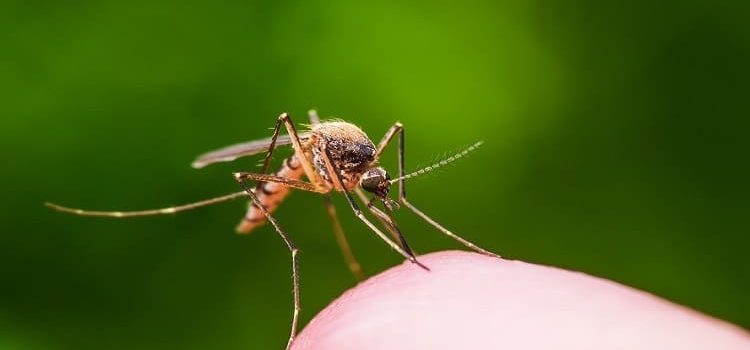
Malaria-Free Zones: A guide to Southern Africa vs. East Africa’s low-risk pockets.
The dream of an African safari is often a vibrant tapestry of experiences: the earth-shaking rumble of an elephant herd, the breathtaking grace of a giraffe grazing on an acacia tree, and the fiery oranges and pinks of a savanna sunset. But for many, this dream comes with a shadow of hesitation. The whispers of tropical diseases, particularly malaria, can transform anticipation into anxiety. “Can we actually do this?” becomes a persistent question, especially for families with young children, elderly travelers, pregnant women, or individuals with specific health concerns.
Let’s address that hesitation head-on. The answer is a resounding yes, you can. De-risking your safari trip is not just possible; it’s a standard part of our planning at Irembo Holiday Safaris. We understand that peace of mind is as crucial to a great vacation as game drives. The key is to know your options and make an informed decision based on your specific health needs and risk tolerance.
This guide is designed to empower you by comparing the distinct approaches to malaria risk management in two of Africa’s most popular safari regions: Southern Africa and East Africa.
The Foundation: Understanding Malaria Risk in Africa
Malaria, a disease transmitted by the bite of an infected Anopheles mosquito, is a reality in many parts of sub-Saharan Africa. However, risk is not uniform. It’s a complex puzzle of geography, climate, and elevation.
-
Climate: Mosquitoes thrive in warm, humid conditions.
-
Rainfall: Standing water is the breeding ground for mosquitoes. The rainy season, which varies by region, is typically the period of highest risk.
-
Elevation: Generally, areas above 1,500 – 2,000 meters (about 4,900 – 6,500 feet) are considered to have a significantly reduced risk of malaria. The cooler temperatures at higher altitudes make it difficult for the mosquito and the parasite to survive.
The Clear Differentiator: Southern Africa’s Established Malaria-Free Zones
If you are looking for a completely malaria-free safari, Southern Africa is your primary destination. Through years of dedicated management and a fortunate combination of geography and climate, specific regions in South Africa can confidently claim “malaria-free” status.
For many travelers, this isn’t just a low-risk option; it’s a no-risk option. It eliminates the need for any chemical prophylaxis, which can be a relief for those concerned about potential side effects or for young children.
South Africa: The Pioneer of Malaria-Free Safaris
South Africa has been a trailblazer in creating safe, high-quality safari experiences in areas completely free of malaria. The two most prominent examples are:
1. Madikwe Game Reserve
Located in South Africa’s North West Province, right on the border with Botswana, Madikwe is the premier choice for a luxury, malaria-free safari. It’s one of South Africa’s largest reserves and a true conservation success story.
-
What Makes it Malaria-Free? Madikwe is a high-altitude semi-desert region. The arid climate and lack of consistent surface water create a natural barrier.
-
The Safari Experience: It’s incredible. Madikwe is home to the “Big Five” (lion, leopard, elephant, buffalo, and rhino). It is also famed for its stable populations of the rare African wild dog and the cheetah.
-
De-Risking Verdict: The risk is near zero. This is the ultimate peace-of-mind destination. It’s perfect for multi-generational family trips, including toddlers.
2. The Eastern Cape Reserves
This region, stretching from the temperate south coast up into the dramatic, drier interior, offers a range of excellent, malaria-free private reserves, including Amakhala, Kwandwe, and Kariega.
-
What Makes it Malaria-Free? These reserves are situated in a temperate climatic zone that does not support the malaria vector.
-
The Safari Experience: The Eastern Cape offers a unique landscape of rolling hills, dramatic valleys, and thicket vegetation. While you can find the “Big Five,” the focus here is often on the scenic beauty and specialized encounters with animals like black rhino, buffalo, and cheetah.
-
De-Risking Verdict: Like Madikwe, this region offers a completely malaria-free environment, making it a stress-free choice for any traveler.
A Different Strategy: East Africa’s Low-Risk Pockets
The approach in East Africa, a region encompassing Kenya and Tanzania, is different. While South Africa boasts malaria-free zones, East Africa focuses on low-risk pockets.
In East Africa, the risk can vary dramatically within a single safari itinerary. An outright malaria-free status is rare, but by carefully timing your visit and choosing specific locations, you can reduce the risk to a level that many health professionals and travelers find acceptable. In almost all cases for East Africa, taking antimalarial medication is the recommended and responsible course of action. This means the question becomes not “Can we do this without malaria?”, but rather, “Can we do this with an intelligent and manageable plan?”
Where are the Low-Risk Areas?
In East Africa, risk levels are primarily dictated by elevation.
1. High-Altitude Locations: The Best of East Africa’s Low Risk
If your dream safari is to see the iconic landscapes of the Ngorongoro Crater or to hike Mount Kenya, you are in luck.
-
Ngorongoro Crater, Tanzania: The rim of the crater is around 2,300 meters (7,500 feet). While the crater floor itself might have some risk, the rim and the surrounding Ngorongoro Conservation Area are considered very low-risk areas due to the cool temperatures.
-
Nairobi, Kenya: As one of Africa’s highest capitals (around 1,795 meters), Nairobi is a low-risk zone.
-
Central Highlands, Kenya: Areas around Mount Kenya and the Aberdare Range offer dramatic scenery and a very low risk of malaria.
2. The Dry Season: Your Timing Strategy
Your choice of season is the single most powerful factor you can control in East Africa.
-
Dry Season (June to October): This is the ideal time to travel for many reasons. Not only is game viewing spectacular as animals congregate around fewer water sources, but the lack of rain also severely limits mosquito breeding. While not a malaria-free period, it is the lowest-risk time of year.
The De-Risking Strategy for East Africa
For a trip to East Africa, the plan for mitigating malaria risk is a three-part approach:
-
Intelligent Itinerary Design: Work with a specialist (like us at Irembo Holiday Safaris) to structure your trip to spend time in high-altitude zones or to travel during the dry season.
-
Prophylaxis: Consult a travel health doctor. Modern antimalarial medications like Malarone or doxycycline are highly effective and generally well-tolerated.
-
Personal Protection Measures: This is your best line of defense. The “ABCD” approach is simple and effective:
-
Awareness of the risk.
-
Bite prevention: Use insect repellent with at least 20-30% DEET on exposed skin. Wear long, loose-fitting clothing in light colors, especially in the evenings and early mornings when mosquitoes are most active. Use a permethrin-treated mosquito net in areas where they are provided (which they are, in all quality lodges).
-
Chemo-prophylaxis (taking antimalarial medication).
-
Diagnosis: Seek medical help immediately for any flu-like symptoms after your trip.
In both Uganda and Rwanda, “low-risk” is a relative term. Unlike the specific pockets of South Africa that are certified malaria-free, these two countries are considered malaria-endemic. However, their dramatic topography—characterized by soaring mountains and high plateaus—creates “low-risk pockets” where the climate is too cool for mosquitoes to thrive consistently.
If you are asking “Can we actually do this?” because you want to minimize exposure, these are the regions to focus on:
1. Rwanda: The “Land of a Thousand Hills” Advantage
Rwanda has made incredible strides in malaria control, and its high average elevation makes it one of the safest bets in East Africa.
-
Volcanoes National Park: This is the premier low-risk zone. The park’s altitude ranges from 2,400m to over 4,500m. At these heights, the temperatures often drop too low at night for the Anopheles mosquito to remain active. While you should still take precautions, the biological risk here is significantly lower than in the plains.
-
Kigali: As one of Africa’s highest capital cities (1,567m), Kigali is considered a low-transmission area. The government also employs aggressive “Indoor Residual Spraying” (IRS) and drone-led larviciding in the city, making it a very manageable urban stopover.
-
Nyungwe Forest: Like the Volcanoes region, this high-altitude montane rainforest is much cooler than the surrounding lowlands, naturally suppressing mosquito populations.
2. Uganda: The Highland Havens
Uganda is generally higher risk than Rwanda due to its many lakes and lower-lying basins, but its southwestern corner is a major exception.
-
Bwindi Impenetrable & Mgahinga National Parks: These are the “cool” corners of Uganda. Bwindi sits between 1,190m and 2,607m. While the lower valleys of the forest still carry risk, the higher ridges and lodges are considered low-transmission zones.
-
The Rwenzori Mountains: Often called the “Mountains of the Moon,” this range reaches permanent snow-capped heights. Any trekking above 2,000m in this region effectively moves you out of the malaria “strike zone.”
-
Southwestern Highlands (Kabale & Kisoro): Often called the “Switzerland of Africa,” these districts are famous for their chilly nights and misty mornings. They have historically had very low transmission rates, though we still recommend standard protection.
| Strategy | Why it works in Uganda/Rwanda |
| Altitude is Your Ally | Stick to the parks listed above. Avoid staying long in low-lying areas like the shores of Lake Victoria or the northern savannas. |
| The “Dry” Window | Visit during the long dry season (June–September). Fewer puddles mean fewer breeding grounds, reducing the low risk even further. |
| Lodge Selection | Many luxury lodges in Bwindi and Volcanoes are built on high ridges specifically to catch the breeze and stay above the mosquito “flight ceiling.” |
The Decision: What’s Right For You?
The “Can we actually do this?” question has two correct answers, depending on who you are.
You should prioritize Southern Africa’s Malaria-Free Zones if:
-
You have very young children (e.g., under 5 years old) for whom there are few suitable antimalarial medication options.
-
You are pregnant or planning a pregnancy.
-
You have a pre-existing health condition that makes any infection or the side effects of medication a significant risk.
-
Your priority is a guarantee of zero malaria risk for maximum peace of mind. You don’t want the slight worry that comes with even low-risk situations.
You should feel confident planning an East Africa Safari if:
-
You are a healthy adult or have older children.
-
You have the flexibility to travel during the dry season (June – October).
-
You are willing to follow a robust, three-part prevention plan (smart planning, medication, and bite prevention).
-
Your heart is set on specific, iconic experiences like the Great Migration, and you are comfortable with a managed, very low risk.
Conclusion: Trusting your Instincts and your Experts
The most important thing to remember is that you are not alone in making this decision. At Irembo Holiday Safaris, our expertise is not just in knowing where the animals are, but also in understanding the needs of our clients.
We don’t provide a one-size-fits-all safari. We are a family of travelers ourselves, and we approach your planning with the same care and consideration we would use for our own. If you have any hesitation, the best first step is to pick up the phone or send us an email. Let’s talk about your concerns, your travel group, and what you dream of seeing. We can create an itinerary that is perfectly aligned with your comfort level.
De-risking a safari trip isn’t about compromising on the experience; it’s about choosing the right experience for you. The result is not just a safer trip, but a more profound one. When the element of worry is removed, you can truly connect with the magic of Africa. The sound of the elephant herd becomes a powerful memory, the sunset becomes an emotional experience, and the entire safari becomes the trip of a lifetime.
Ready to experience the magic of the savanna with total peace of mind? Reach out to [our team] to start planning your perfect malaria-free African adventure.
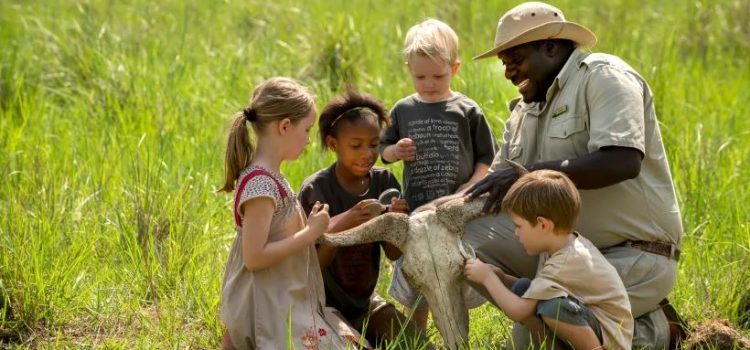
The Manifesto: Why 2026 is the year of the “Toddler Safari.”
The Manifesto: Why 2026 is the Year of the “Toddler Safari”
For years, the unspoken rule of the African safari was “wait.” Wait until they can sit still for six hours. Wait until they don’t need a nap. Wait until they are ten, twelve, or “old enough to remember it.”
At Irembo Holiday Safaris, we believe the “wait” is over. In fact, we’re calling it: 2026 is the Year of the Toddler Safari.
The travel landscape has shifted. Parents are no longer looking for “kid-friendly” versions of adult trips; they are seeking transformative family experiences that don’t sacrifice luxury or safety. With advancements in boutique lodge design, specialized guide training, and our own proprietary “De-Risking” logistics, the question isn’t “Can we actually do this?” anymore. It’s “Why haven’t we booked yet?”
This is our manifesto on why your two-to-five-year-old belongs in the bush, and how we ensure the only “wild” thing about your trip is the wildlife—not the logistics.
1. De-Risking the “Big Fears”
The primary barrier to a toddler safari is rarely the child; it’s the parent’s valid concern for safety, health, and sanity. To move from “maybe” to “yes,” we have restructured our 2026 family circuits to address the three pillars of risk.
Malaria and Health: The “Green Zone” Strategy
We prioritize “low-risk” and “malaria-free” pockets of East Africa or utilize lodges with high-elevation locations where mosquito activity is naturally minimal. Furthermore, our 2026 partnerships are exclusive to lodges with on-site medical coordinators and 24/7 links to AMREF Flying Doctors. We don’t just bring you to the wild; we bring the safety net with us.
The “Fenced” Guarantee
The romantic notion of a lion wandering past your tent loses its charm when you have a curious three-year-old. Our toddler-specific itineraries prioritize fully fenced luxury lodges. You get the 360-degree views and the sounds of the African night, but with a physical perimeter that allows your child to run on the grass without you hovering.
Food and Routine
“Will they eat?” is the universal toddler-parent prayer. Our private chefs at Irembo-vetted lodges don’t just offer “chicken nuggets.” They provide “Bush-to-Belly” menus—nutritious, familiar foods blended with mild local flavors, served on your schedule. If your child needs dinner at 5:30 PM to avoid a meltdown, dinner is served at 5:30 PM.
2. The Logistics of “Yes”: How We Make it Work
The “Can we actually do this?” question usually boils down to the “middle bits”—the transfers, the waits, and the gear.
Private Vehicles: Your Living Room on Wheels
On an Irembo Holiday Safari, a family with a toddler always has a private vehicle.
- No “Shushing”: If your toddler wants to sing “Baby Shark” while looking at a giraffe, they can. No other guests will be bothered.
- Flexible Turn-arounds: If a diaper emergency happens or a nap is looming, we head back to the lodge immediately. You are the boss of the schedule.
- Safety Seats: We provide international-standard car seats and boosters, properly tethered into our 4×4 Land Cruisers.
The “Slow-fari” Itinerary
We have officially retired the “six-hour game drive” for families. The 2026 Toddler Safari is about Short & Sharp encounters.
- 90-Minute Game Drives: Perfectly timed to the toddler attention span.
- Mid-Day Basecamp: We choose lodges with “watering hole views” so the safari continues from the safety of your veranda while your child plays with LEGOs or naps in the shade.
3. The “Educational Edge” (Before They Even Start School)
There is a misconception that toddlers won’t “get” a safari. In reality, toddlers are the world’s best naturalists. They notice the dung beetle, the shape of the acacia leaf, and the color of the lizard on the rock—things adults often overlook in search of the “Big Five.”
The Irembo “Junior Ranger” 2026 Program
We’ve revamped our child engagement for 2026. Instead of passive watching, we facilitate active discovery:
- Track Casting: Making plaster molds of lion or hyena tracks found near the lodge.
- Traditional Storytelling: Local guides sharing age-appropriate folklore about why the zebra has stripes.
- Bush Crafts: Learning to weave or identify birds by their song.
4. Why 2026? The New Era of Safari Lodges
The industry has listened. 2026 marks the opening of several “Family-First” wings in Uganda, Kenya, and Tanzania. These aren’t just rooms with an extra bed; they are Private Safari Villas.
Imagine a two-bedroom suite with a private plunge pool (fenced on request), a dedicated “Bush Nanny” who is trained in first aid and early childhood play, and a kitchen that stocks your child’s favorite brand of milk. This level of customization is no longer a “premium add-on”—it is the standard for our 2026 family packages.
5. The “De-Risk” Checklist: Our Promise to You
To answer the final “Can we?” we provide every family with an Irembo De-Risking Kit before they fly:
- The Gear Guide: What to pack (and what we provide, like strollers and wipes) to save on luggage weight.
- The Flight Hack: Our specialists coordinate short “bush hops” to avoid long, bumpy road transfers.
- The 24/7 Concierge: A dedicated Irembo representative is on WhatsApp 24/7 from the moment you land in Entebbe or Nairobi to handle any “toddler-sized” surprises.
The Verdict
The “Toddler Safari” isn’t about checking off a bucket list. It’s about the look on a four-year-old’s face when they see a “real-life Pumbaa” for the first time. It’s about the quiet moments in a luxury tent, disconnected from screens, reconnected as a family.
In 2026, the infrastructure is ready. The safety protocols are proven. The lodges are designed for you.
The only question left is: Which park will be their first?
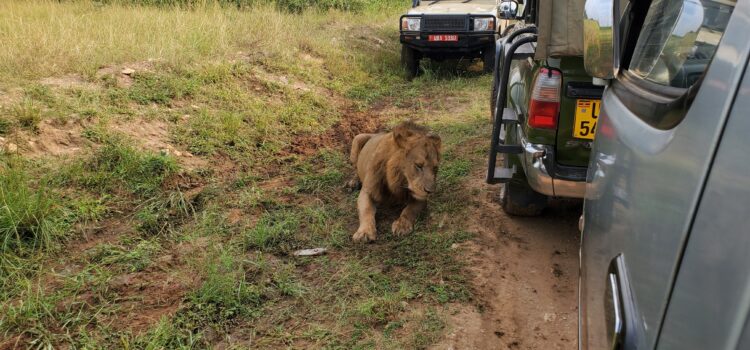
Experience the Wild.
Explore These 7 Amazing Activities on Your Safari in Queen Elizabeth National Park, Uganda
Nestled in the Rift Valley and framed by the majestic snow-capped Rwenzori mountains, Queen Elizabeth National Park is a treasure trove for safari enthusiasts. The Kasenyi and Ishasha Plains are home to sizable groups of Uganda kob, the national antelope. Be always on the lookout for lurking lions. Meanwhile, Lakes Edward and George, along with the Kazinga Channel that links them, are teeming with around 5,000 hippos. These waters have a rich variety of waterbirds, attracting thirsty herds of elephants and buffalo.
Queen Elizabeth National Park Activities include:
1. Early Morning Game Drive in Queen Elizabeth National Park
Picture yourself in the gentle glow of the early morning, snuggled in a cozy blanket as the wildlife stirs from their slumber or returns from their nighttime escapades. There’s a refreshing sense of renewal during a morning game drive. The sun still rising and the day yet to heat up. This makes a perfect time to enjoy the wonders of safari.
Feel the excitement as you come across a powerful pride of lions on the hunt, alongside the awe-inspiring African elephant, young cape and forest buffalo, lively warthogs, graceful waterbuck, Uganda kob, bushbuck, topi, and the remarkable giant forest hog. After about 3-4 hours of exploration, you’ll return to the lodge for a delightful hot lunch.
2. Evening Game Drive in Queen Elizabeth National Park
Experiencing an evening game drive is a highlight of any safari journey. As the sun sets and the air cools, the wildlife becomes more active. This time offers fantastic lighting for taking breathtaking photos, and it’s one of the best opportunities to see a variety of animals in their natural surroundings.
During this drive, you might even catch a glimpse of species you may have overlooked the day before, such as Forest Elephants, Buffalos, Uganda Kob, Topi, Warthogs, and Waterbucks. The drive typically lasts around 2 hours
3. Boat Trip on Kazinga Channel in Queen Elizabeth National Park
Boat trips/tours/safaris along the Kazinga Channel are a must-do for wildlife enthusiasts visiting Queen Elizabeth National Park. As you glide through the waters, you’ll see groups of grunting hippos, elephants, and buffalo making their way to the shore for a drink. The area is also a haven for various aquatic birds, and you might even catch a glimpse of the stunning snowcapped Rwenzori mountains.
Keep your eyes peeled for the giant forest hog, a unique local inhabitant. Surrounded by steep cliffs and nestled beneath the glacial peaks, Kazinga is teeming with hippos, elephants, buffalo, waterbuck, and Uganda kob. While lions, leopards, and giant forest hogs are less frequently spotted, the birdwatching here is exceptional.
You can expect to see one of the largest hippo populations, thirsty elephants, Nile crocodiles, and over 600 bird species, including Ayres’ Hawk Eagle, Collared pratincole, Palm-nut Vulture, and Swamp Flycatcher.
4. Experitial Lion & Leopard Tracking in Queen Elizabeth National Park
Lion tracking is exclusively offered in the northern part of Queen Elizabeth National Park, specifically in the Kasenyi section. Here, under the supervision of researchers, participants can follow lions by listening for their calls and tracking signals from collars worn by the lions. During this thrilling experience, trackers can use vehicles to navigate the area and locate the predators based on the signals they receive.
This unique opportunity is perfect for wildlife enthusiasts who want to immerse themselves in nature, engage in research, and learn about the behavior of these magnificent animals. The lion tracking adventure also includes insights into leopards, providing a comprehensive research experience led by knowledgeable researchers who expertly guide participants in locating these incredible cats using a mix of locators and radio collars.
5. Chimpanzee tracking in Kyambura gorge or Kalinzu Forest Reserve
Chimpanzee trekking is the highlight of Kalinzu Forest, making it the second-best spot for this activity after Kibale Forest National Park in Uganda. This forest reserve is home to over 300 chimpanzees, including 40 families that have been habituated to human presence. Its proximity to Queen Elizabeth National Park and Bwindi Impenetrable National Park makes Kalinzu Forest a fantastic stop for visitors seeking an unforgettable experience.
Trekking for chimpanzees in Kalinzu is offered in two sessions: the morning session at 8 am and the afternoon session at 2 pm, each providing a unique experience. Tourists gather at the reserve headquarters for a briefing, are grouped with five others, and assigned a guide and park ranger before embarking on their trek.
Finding the chimpanzees can take a few hours, as they roam in search of food, and the trails can vary. Once located, visitors have one hour to observe and photograph the chimps as they engage in various activities like jumping between branches, communicating, grooming, feeding, playing, and resting.
6. Birding safaris in Queen Elizabeth National Park
Queen Elizabeth National Park is an exceptional spot for birdwatching. The park boasts a diverse range of habitats, from the lush tropical forests of Kyambura Gorge to the wetlands surrounding Lakes Edward and George, making it a haven for numerous bird species. With over 600 recorded bird species, it holds the most extensive checklist of any protected area in East Africa.
The park’s impressive tally of more than 610 species showcases its rich ecological variety. The swamps near the Ishasha Plains and Lake George are particularly known for the elusive shoebill, while large groups of flamingos can be seen seasonally in the salty crater lakes like Katwe and Bunyampaka. Pelicans are frequently spotted along the Kazinga Channel. Birdwatching is rewarding throughout the year, but the prime time is from late May to September when rainfall is minimal and food sources are plentiful.
June and July typically experience the least rain, whereas April to May and September to November see the most precipitation. Heavy rains can lead to impassable roads and slippery trails, potentially limiting your birdwatching opportunities. Migratory birds are present in the park from November to April.
7. Community/Nature Walk in Queen Elizabeth National Park
The community around Queen Elizabeth National Park showcases a wonderful example of harmony between the local residents and the wildlife that inhabits the area. You’ll have the chance to immerse yourself in local folklore, traditional crafts, pastoral practices, and agricultural activities.
Additionally, you can visit the cultural huts of the Bakonzi, Basongora, and Banyabindi ethnic groups. This walk offers a unique opportunity to explore the beautiful wilderness, allowing you to leisurely observe small ecosystems. Your guide will share insights about the ecological significance of the wildlife. This experience can be enjoyed either in the morning or evening and lasts approximately 2-3 hours.
At Irembo Holiday Safaris, we’ve got your planning covered! We’ll take care of all your preferences to make sure you have an amazing safari experience. Reach out to us and let’s chat!
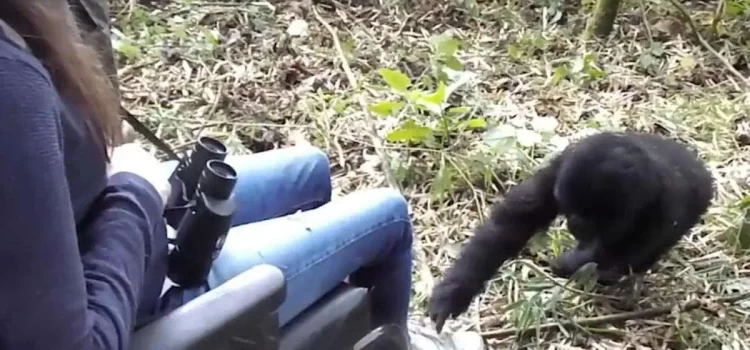
Gorilla Trekking: Accessible to all – age, injured, and handicapped
The gorilla tracking experience in Uganda is not limited by age or physical ability, as the country has made efforts to ensure that everyone can participate in this incredible wildlife adventure. Special accommodations and assistance are available for individuals with disabilities and the elderly, allowing them to fully enjoy the experience of observing these majestic creatures in their natural habitat.
Uganda’s gorilla tracking experience not only promotes conservation and education but also fosters a sense of unity and connection among people of different backgrounds and abilities.
A favored option for families and groups
Uganda’s commitment to inclusivity in gorilla tracking sets it apart from other destinations, making it a popular choice for families and groups with diverse needs. The country’s national parks and conservation areas have been designed to be accessible to all, with trained guides and staff ready to assist visitors with mobility challenges or other special requirements.
A sense of unity and connection
By offering a welcoming and inclusive environment for all visitors, Uganda’s gorilla tracking experience not only promotes conservation and education but also fosters a sense of unity and connection among people of different backgrounds and abilities. This commitment to accessibility ensures that everyone has the opportunity to create lasting memories and form a deeper appreciation for the natural world.
GET IN TOUCH
Planning a Gorilla Trekking Safari?
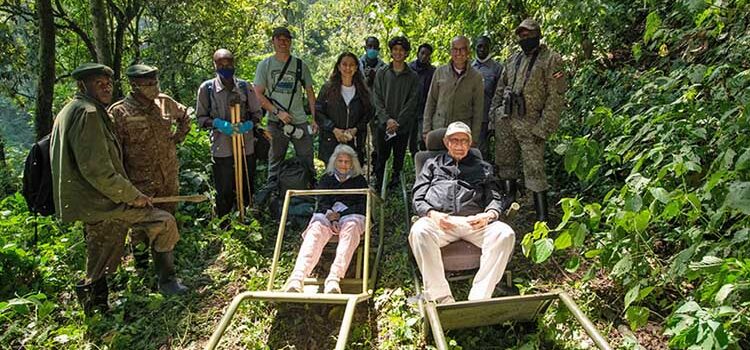
GORILLA TRACKING FOR THE ELDERLY AND SENIORS
Introduction
There is no longer a need for apprehension regarding the inclusion of elderly family members, such as mothers or grandmothers, in mountain gorilla trekking excursions. This adventurous activity is accessible to all, including both youthful and energetic individuals as well as older adults. Provided they are able to board a flight and are at least 15 years of age, they can engage in gorilla tracking. Notably, studies show that a significant portion of those who embark on gorilla trekking adventures fall within the age range of 40 to 60 years. If they are capable of flying, they can enjoy the remarkable experience of observing gorillas in their natural habitat.
Among the various primates on Earth, mountain gorillas stand out as particularly captivating. Their allure compels many to seek opportunities to observe them in their natural surroundings, as they do not flourish in zoos like lowland gorillas do. To encounter mountain gorillas in their habitat, one must travel to Africa, where they are found solely in three nations: Uganda, Rwanda, and the Democratic Republic of Congo. In Rwanda, visitors can find them in Volcanoes National Park, while in the Democratic Republic of Congo, they inhabit Virunga National Park. Uganda is particularly significant, as it protects more than half of the world’s wild mountain gorilla population, with two key national parks dedicated to their preservation: Mgahinga Gorilla National Park and Bwindi Impenetrable Forest National Park.
Most Appropriate Park for Elderly & Senior Citizens.
Among the various national parks dedicated to gorilla trekking, Bwindi Impenetrable Forest National Park stands out as the most suitable choice for elderly visitors. Situated in less rugged terrain, Bwindi is distinct from the other three national parks as it is not part of the Virunga mountain range. The park is located at a lower elevation, and its trekking paths are generally flatter in comparison to those found in Mgahinga Gorilla National Park and Rwanda’s Volcanoes National Park. The gorilla families residing in Bwindi are found at lower elevations, making the hikes considerably easier. Furthermore, Bwindi is home to a larger number of habituated mountain gorilla families, with more than 17 families available for tracking.
Bwindi is divided into four distinct sectors: Rushaga, Buhoma, Nkuringo, and Ruhija. Each of these sectors is home to its own unique families of mountain gorillas. For elderly travelers, trekking in the Ruhija sector presents notable advantages, although, the location of the gorillas can be unpredictable, regardless of the selected sector. Some tourists may be fortunate enough to encounter their designated gorilla family within a mere 30-minute walk from the starting location. By securing their trekking permits well in advance, elderly visitors can be assigned to a gorilla family located in close proximity to the starting point.
Arrangements
Arrangements for gorilla trekking for older travelers is conducted in a manner similarly to that of other visitors. The notable difference is that older participants are designated to gorilla families that are much nearer to the park offices. For those elderly individuals who find it challenging to walk long distances, there is a greater opportunity to hire a personal porter and/or utilize a sedan chair.
Gorilla trekking permits are priced equally for all individuals. The procedure for booking these permits for elderly individuals is the same as for others. In Uganda, the fee for an individual gorilla trekking permit is $700, in Rwanda it is $1,500, and in the Democratic Republic of the Congo, it is $400. Visitors can obtain the East African Tourist Visa, which grants entry to Uganda, Rwanda, and Kenya. This visa enhances the convenience of engaging in gorilla tracking activities across both Rwanda and Uganda.
The Sedan Chair Option
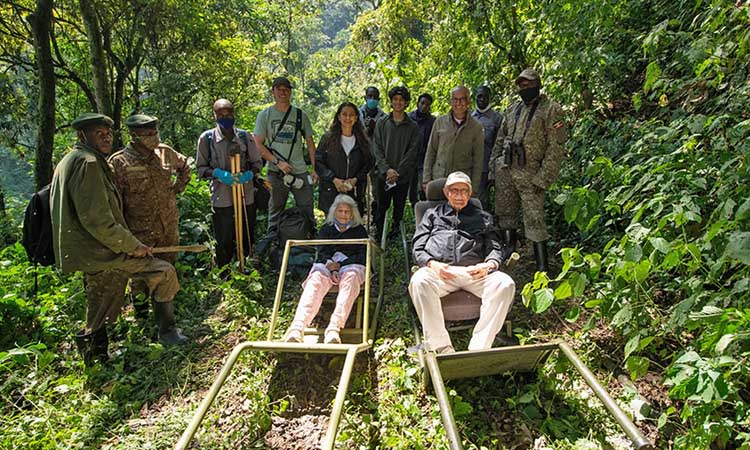
A sedan chair, commonly known as an African Helicopter, serves as an innovative means to assist senior citizens and individuals with mobility difficulties in enjoying the exhilarating experience of gorilla trekking in comfort both in Uganda and Rwanda. These sedan chairs, equipped with handlers, a sturdy steel frame, and safety belts, are designed to elevate elderly individuals or those unable to walk long distances. An alternative to the sedan chair involves being transported through the forest on a stretcher crafted from local bamboo.
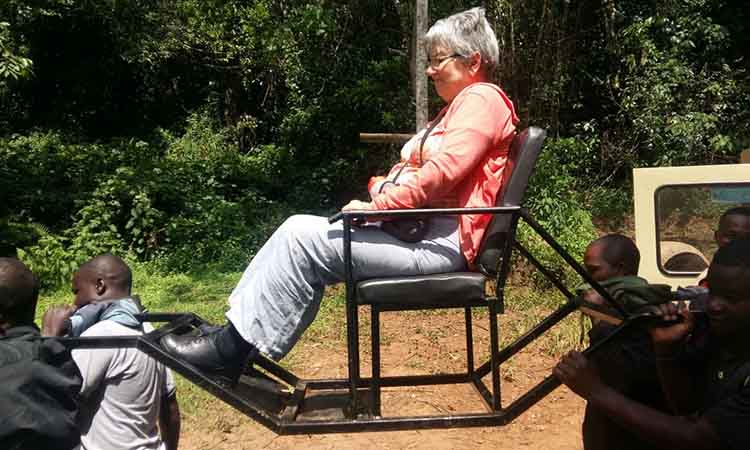
The elderly person is carried by a team of twelve strong local porters, with four porters at a time managing the load. As the initial group of four porters tires, others will take their place, ensuring continuous support. These porters possess extensive knowledge of the terrain and the dense forest, having lived in the area for most of their lives. They are committed to keeping the elderly individual off the ground until they reach the designated mountain gorilla family. Following the encounter with the gorillas, the porters will carry the elder back to the starting point, where the company driver will be ready to assist
This sedan chair option is available at various Gorilla tracking spots within Bwindi Forest National Park. The cost ranges from USD 350 to USD 500 per chair per tracking depending on the client’s weight. This fee covers both the chair itself and the porters who will carry you to see the mountain Gorillas and back to the park headquarters after the trek. Prices also vary based on demand. Due to the limited number of sedan chairs, it’s a good idea to inform your tour operator in advance if you’ll require one, to ensure one is secure for you.
Preparing for the Trek
Mountain gorilla trekking is so demanding, depending on which gorilla group a traveler is assigned to. Some mountain gorilla families live closer to the starting point for trekking; you can find gorilla families nearby in less than 30 minutes. However, gorilla trekking can last up to seven hours or more. It is very important to be ready, well prepared, and in good physical shape. When organizing your mountain gorilla trekking adventure, it is essential to take into account various factors, with distance being a significant consideration. The distance to the gorilla habitats can vary widely depending on the specific region you choose to explore, whether it be in Uganda or Rwanda.
The distance to the gorilla trekking starting point is just the beginning; elderly trekkers as well as any trekker, must account for the distance they will cover while searching for the gorillas in their natural habitat. This can vary from a short, manageable hike to a more strenuous trek that may take several hours. The level of difficulty to the distance is influenced by the time of year, as weather conditions affect trail accessibility and the movement patterns of the gorillas. This distance not only affects the logistics of your trip but also influences the level of physical exertion required during the trek.
Understanding the elevation changes and the type of terrain you will encounter will help you prepare adequately, ensuring that you have the stamina and equipment necessary for a successful trek. Proper preparation for these distances, including physical fitness and appropriate gear, will enhance your adventure and ensure you are ready for the challenges that may arise. Therefore, it is vital to assess your own physical fitness level and choose trekking the location and route that aligns with your capabilities.
For elderly and senior travelers who may not be in optimal physical condition, it is advisable to begin preparations well in advance by engaging in hiking activities near your residence. If you reside near a forest or in a hilly or mountainous area, take advantage of this environment to engage in physical activity as you ready your body for the upcoming gorilla trekking adventure. Other beneficial activities include casual walking, light running, climbing, and undertaking extended walks. When embarking on your mountain gorilla trekking journey, ensure that you carry sufficient energy-boosting water and snacks, as these will be essential for maintaining your stamina.
The Actual Gorilla trek
The elderly trekkers’ journey will begin with a trip to the park headquarters for registration and an educational session about gorillas and the Bwindi Forest National Park. This session will cover what participants can expect during the trek, outline crucial guidelines, and feature a cultural performance by local groups. Following this, trekkers will be organized into small groups, typically consisting of no more than eight individuals, before embarking on the remarkable adventure of gorilla tracking. It is recommended that trekkers come prepared both physically and mentally before starting the trek.
Although gorilla tracking can be physically strenuous, particularly for seniors, there are solutions available to facilitate their participation. The assignment of Gorilla families occurs on the day of the tracking. If you face any mobility challenges, please communicate this to your tour operator or guide. They will ensure that you are assigned to a suitable group or provide a sedan chair and porters to aid you.
Allocation of mountain gorilla families
At the time of the briefing, Park Rangers and wildlife wardens meticulously review all passports and identify travelers who may need special consideration. Generally, travelers who are 60 years of age or older and are physically capable are assigned to a nearby mountain gorilla family. If a traveler is 60 years old yet maintains excellent and outstanding physical condition, they are encouraged to request a longer gorilla trek to enjoy a more exhilarating experience in the authentic African wilderness. It is important for travelers to consider their own desires rather than settling for a less challenging gorilla trek based solely on the advice of others.
Other Considerations
Apart from physical fitness and the ability to hike, there are additional essential factors that influence the allocation of mountain gorilla families, such as the demand for gorilla trekking permits. When a significant number of these permits are sold, it can pose challenges for many travelers seeking a more manageable trekking experience. Elderly travelers are particularly encouraged to book their mountain gorilla trekking safaris at least three months ahead of their trekking dates to increase their chances of being assigned to a gorilla family that is nearer to their tracking location.
Tourists wishing to engage in double gorilla trekking, which involves tracking mountain gorillas on two separate days or more, will be assigned to a different gorilla group than the one they encountered previously. A maximum of eight individuals are permitted to track a mountain gorilla family in a single day, a measure implemented to mitigate stress on these primates and reduce the risk of human diseases resulting from extended contact.
Before you embark on planning your mountain gorilla trekking journey or reaching the park’s starting location, it is essential that you to familiarize yourself with the various mountain gorilla national parks and their respective sectors. Understanding which gorilla sector aligns with your interests is vital, and seeking guidance from your tour operator can be beneficial in determining if you can be assigned to a specific mountain gorilla family. The tour operator’s knowledge and experience can greatly assist you in navigating the options available within the gorilla sectors and families.
Terrian & Level of difficulty
Mountain gorillas are found in high-altitude mountainous regions, typically between 2,300 and 4,500 meters above sea level. Before reaching your assigned mountain gorilla family, the trek requires traversing demanding terrain, which consists of muddy slopes, steep inclines, and slippery trails. Those with disabilities, injuries, older adults, and individuals who are not in optimal physical condition may struggle with these challenging conditions.
Sightings
The experience of trekking mountain gorillas is filled with numerous discoveries. Throughout the journey, visitors are enveloped by an exquisite variety of flora and fauna, featuring diverse bird species and a multitude of insects, butterflies, and moths, alongside different primate species including De Brazza monkeys, Red-tailed Monkeys, Blue Monkeys, black-and-white colobus monkeys, L’Hoest’s monkeys, Potto, Demidoff’s Galago, Spectacled Galago, Baboons, and Chimpanzees. Notably, this region is home to over 400 individuals of the 5,050 chimpanzees found in Uganda.
Safety & Security
Senior travelers often express concerns about safety and protective measures in the park, given their more fragile state. Fortunately, the safety and security protocols for mountain gorilla trekking in Uganda and Rwanda are highly effective. Each trek is supervised by armed park rangers whose duty is to protect visitors from wildlife threats, including forest elephants and forest buffaloes. It is important to highlight that there have been no militia activities in Rwanda and Uganda for over two decades, which underscores the efforts of park authorities to maintain a secure environment. In contrast, the security landscape in the Democratic Republic of Congo can be less predictable, influenced by past security incidents. Nonetheless, the security arrangements in Rwanda and Uganda are notably more robust, whereas trekking in Congo requires extensive security checks and additional escorts.
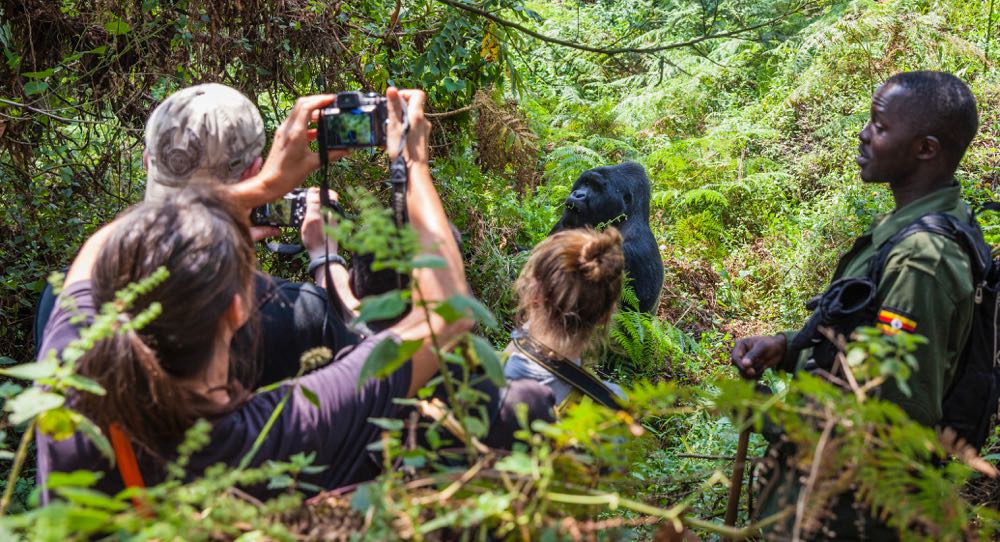
Travel to Bwindi Impenetrable forest national park
Traveling to Bwindi Impenetrable Forest National Park for gorilla tracking is quite accessible. The park is located roughly a 10-hour drive from Entebbe International Airport or Kampala city, or you may choose a quicker option of a one-hour flight. The journey from Kigali is generally shorter, usually takes around 3 hours, compared to that from Entebbe to Bwindi Impenetrable Forest National Park, which can take between 8 to 9 hours or more. For those starting from Kigali, Rwanda, travel times will vary depending on the chosen route. An alternative to reduce the lengthy travel time is to book a local charter flight from Kajjansi Airstrip or Entebbe International Airport to Bwindi. Upon arrival at Kihihi or Kisoro Airstrip, it takes approximately one and a half hours to reach your accommodation in the park. While local flights in Uganda may be costly, they offer a significant advantage, allowing you to reach the park in just one hour. Your local tour operator will assist in coordinating these arrangements and will be available to greet you at the airstrip and transport you to the park.
Should your budget not permit a local flight to Bwindi, there is no need for concern. The mountain gorilla trekking parks are located in areas that boast extraordinary natural beauty and impressive wildlife reserves. The drive from Entebbe or Kampala is filled with scenic views; travelers will encounter the enchanting African countryside, valleys, national parks, mountains, and the natural wilderness of the continent. Along the route, small breaks are typically included, allowing you to unwind and explore unique attractions such as the equator crossing and cultural centers. By integrating your mountain gorilla trekking experience with other wildlife encounters, your itinerary can be tailored to minimize the lengthy driving times, as you will be visiting various national parks each day leading up to your gorilla tracking experience.
Accommodation
The accommodations available for the gorilla trekking experience are of outstanding quality. Within the parks, options range from luxury lodges to mid-range and budget lodges, allowing travellers to choose according to their financial capacity. The facilities include standard cottages with grass-thatched roofs, dormitories, self-contained tented camps, and basic campsites. Most of these lodging options are also designed to accommodate elderly individuals. When organizing gorilla trekking for elderly persons, your tour operator will ensure that you are placed in accommodations equipped with amenities that cater to your special needs. It is important to note that Uganda and Rwanda currently have a limited number of accessible lodges for elderly persons; therefore, we recommend booking your gorilla tour approximately 4 to 6 months in advance of your intended trekking date.
What to carry for gorilla trek in Uganda or Rwanda?
When preparing for a gorilla trek in Uganda or Rwanda, it is essential to assemble a comprehensive packing list. Important items to include are sturdy hiking boots, long-sleeved shirts, warm sweaters, and long pants. Additionally, hand gloves, a first aid kit, rain jackets, sunglasses, a walking stick, and insect repellent are crucial for a successful trek. To ensure you are well-equipped for this adventure, do not forget to pack a lunch, sufficient drinking water, and a fully charged camera.
Best time to travel to track gorillas in Uganda or Rwanda
The most suitable time to arrange a gorilla trekking experience, for elderly persons, individuals with or without disabilities, is during the dry season. During this period, the gorilla parks experience the least amount of rainfall, making it significantly easier to locate these extraordinary creatures. The dry season generally occurs from June to September and from December to February. While trekking is possible during the wet season, which lasts from March to May and October to November, it is important to note that this time is associated with significant rainfall.
Share your physical challenges with the tour operator
Travelers are advised to disclose any fitness concerns or physical limitations to their tour operator before finalizing their gorilla trekking arrangements. Such disclosures are crucial for the tour operator to effectively plan and secure any special equipment required in collaboration with park authorities prior to the commencement of the trip. If your itinerary includes specific needs, such as a van, porters, or sedan chairs, these will be organized as necessary. The expenses for porters and rented sedan chairs will be added to the total cost of the trip, which will be communicated to you by the tour operator.
In conclusion
The popularity of gorilla trekking continues to rise, drawing visitors from across the globe who wish to observe these magnificent beings. Although those with physical limitations may encounter some difficulties, it does not mean they must miss out on this extraordinary journey. Do not allow age to hinder your pursuit of the remarkable adventure that is gorilla tracking. Thanks to the provision of sedan chairs and the expertise of knowledgeable guides, this extraordinary experience is accessible to everyone. Get ready for a unique opportunity to connect with these awe-inspiring creatures in their natural environment.
A safari lodge: All there is and more!
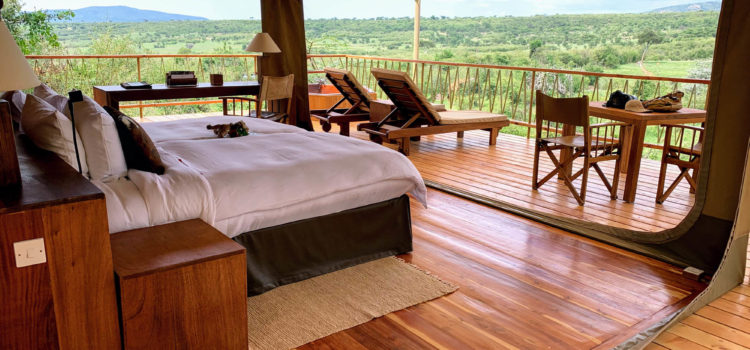
A safari lodge, often referred to as a game lodge, represents a distinctive category of tourist accommodation that is predominantly found in the breathtaking landscapes of southern and eastern Africa. These lodges are specifically designed to cater to visitors who are eager to engage in wildlife safaris, offering them a unique opportunity to immerse themselves in the natural beauty and diverse ecosystems of the region. Typically, these lodges are strategically situated within or adjacent to national parks or game reserves, allowing guests easy access to some of the continent’s most remarkable wildlife viewing experiences.
The locations of safari lodges are often remote and nestled in rural settings, providing a tranquil escape from the hustle and bustle of urban life. In addition to offering comfortable lodging, these establishments also provide meals and a variety of activities that enhance the safari experience, such as guided game drives, walking safaris, and birdwatching excursions. The quality of accommodation at safari lodges can vary significantly, catering to a wide range of preferences and budgets. On one end of the spectrum, there are basic bush camps, which may consist of simple tented accommodations that allow guests to experience the wilderness up close. On the other end, there are opulent lodges that resemble high-end hotels, complete with luxurious amenities, gourmet dining, and personalized service.
Read also: The Unforgettable Adventure of Gorilla Tracking in Uganda and Rwanda
Unlike traditional hotels or guesthouses, which typically comprise multiple rooms within a single structure, safari lodges often feature individual buildings or chalets that provide a greater sense of privacy and seclusion. Each unit usually includes essential amenities such as a comfortable bedroom, a private bathroom, and a terrace or balcony that offers stunning views of the surrounding landscape. In some cases, lodges may also include small kitchen facilities, allowing guests the option to prepare their own meals or enjoy a more intimate dining experience.
Safety is a paramount concern at safari lodges, and the premises are often secured to ensure the well-being of guests. This may include measures such as perimeter fencing, security personnel, and controlled access to the lodge grounds. Overall, a stay at a safari lodge not only provides comfortable accommodation but also offers an immersive experience in the heart of Africa’s wildlife-rich environments, making it a memorable choice for travelers seeking adventure and connection with nature.
GET IN TOUCH
Looking for Accommodation?
Why Visit Uganda During Your East Africa Safari Adventure
Embarking on an East Africa Safari Adventure in Uganda is an experience like no other. This captivating destination, often referred to as the “Pearl of Africa,” is renowned for its breathtaking landscapes, which range from lush rainforests and rolling hills to expansive savannahs and shimmering lakes. Each region of Uganda offers its own unique charm, inviting travelers to immerse themselves in the natural beauty that surrounds them.
One of the most striking features of Uganda is its incredible biodiversity. The country is home to a remarkable array of wildlife, including the majestic African elephants, elusive leopards, and the iconic mountain gorillas that roam the misty forests of Bwindi Impenetrable National Park. For wildlife enthusiasts, the opportunity to trek through the dense vegetation and observe these magnificent creatures in their natural habitat is a once-in-a-lifetime experience. Additionally, Uganda boasts an impressive variety of bird species, making it a paradise for birdwatchers and nature lovers alike.
Beyond its stunning landscapes and wildlife, Uganda is rich in cultural experiences that provide a deeper understanding of the local way of life. Visitors can engage with the diverse communities that inhabit the region, from the vibrant Baganda people to the traditional pastoralists of the Karamojong. Participating in cultural tours, traditional dance performances, and local craft markets allows travelers to connect with the heart and soul of Uganda, fostering a sense of appreciation for its heritage and traditions.
Adventure seekers will find plenty of thrilling activities to indulge in, from white-water rafting on the mighty Nile River to hiking the challenging trails of the Rwenzori Mountains. The country’s national parks, such as Queen Elizabeth and Murchison Falls, offer opportunities for game drives, boat safaris, and guided nature walks, ensuring that every moment spent in Uganda is filled with excitement and discovery.
In summary, Uganda is a must-visit destination for any traveler seeking adventure and beauty. Its unique blend of stunning landscapes, diverse wildlife, and rich cultural experiences creates an unforgettable journey that will leave a lasting impression. Whether you are an avid adventurer, a wildlife enthusiast, or a culture seeker, Uganda promises to captivate your heart and inspire your spirit. So pack your bags and get ready to explore the enchanting wonders of Uganda on your East Africa Safari Adventure!
GET IN TOUCH
Ready to Explore Uganda?
The Unforgettable Adventure of Gorilla Tracking in Uganda and Rwanda
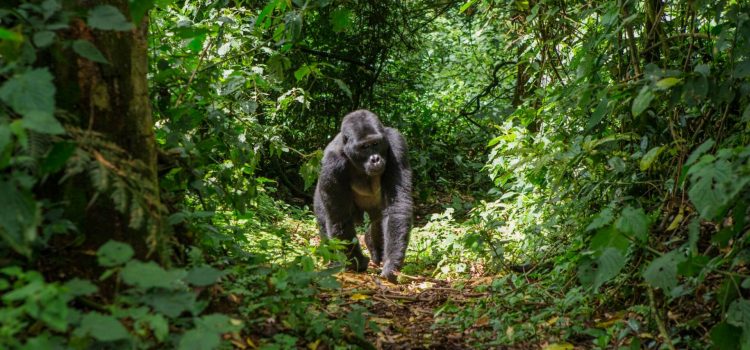
Uganda’s Bwindi Impenetrable National Park and Mgahinga Gorilla National Park are not just significant for their breathtaking landscapes; they are also crucial sanctuaries for the mountain gorilla, housing nearly half of the world’s remaining population of these magnificent creatures. This makes Uganda one of the premier destinations for those eager to track and observe mountain gorillas in their natural habitat.
One of the standout features of Uganda’s gorilla tracking experience is the greater number of habituated gorilla families available for visitors to track. This means that travelers have a higher chance of encountering these incredible animals up close, as they have become accustomed to human presence.
Additionally, the vast expanse of forest in both Bwindi and Mgahinga offers a rich and varied environment to explore, allowing for a more immersive experience in the heart of the gorilla’s habitat. The diverse ecosystems within these parks not only enhance the gorilla tracking experience but also provide opportunities to observe a wide range of other wildlife and plant species, making each trek unique and rewarding.
In terms of cost, Uganda’s gorilla permits are generally more affordable than those in Rwanda, which can be a significant factor for travelers on a budget. This cost-effectiveness allows more people to partake in the life-changing experience of gorilla trekking without breaking the bank. The savings on permits can also enable visitors to allocate more of their budget towards other activities, and accommodations, or even extend their stay to explore more of Uganda’s stunning landscapes and rich cultural heritage.
In summary, Uganda’s abundance of gorillas, diverse habitats, and more budget-friendly permit options, make it a superior choice for those seeking an unforgettable gorilla-tracking adventure. Whether you are a seasoned traveler or a first-time visitor, the opportunity to witness these gentle giants in their natural environment is an experience that will leave a lasting impression and create memories to cherish for a lifetime.
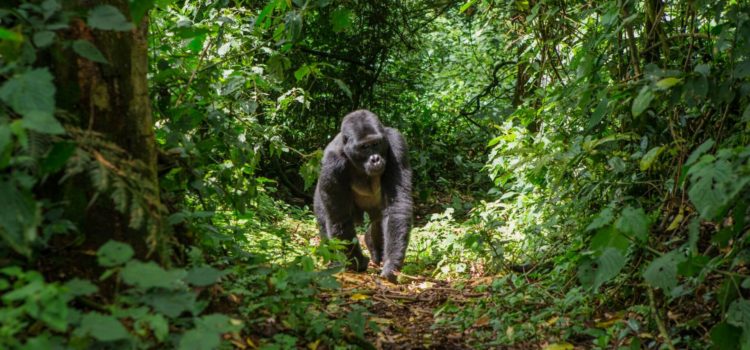
6 Reasons to add Uganda on your East Africa Safari Adventure
Uganda is a top tourist destination known for its diverse wildlife, stunning landscapes, and vibrant culture. Highlights include the iconic mountain gorillas in Bwindi Impenetrable National Park and the scenic shores of Lake Victoria. Tourists are also drawn to the country’s rich cultural heritage, featuring traditional dance, colorful markets, and historical sites. With its warm hospitality, Uganda is a must-visit for those seeking the beauty of East Africa.
Explore the beauty of Uganda on your next East Africa Safari Adventure with these 6 compelling reasons to add it to your itinerary:
1. Discover the diverse wildlife, including the famous mountain gorillas, and immerse yourself in the stunning landscapes of national parks and reserves.
2. Experience the rich culture and traditions of the Ugandan people, and indulge in the delicious local cuisine.
3. Embark on thrilling outdoor activities such as trekking, birdwatching, and boat safaris, offering a unique and unforgettable adventure.
4. Support sustainable tourism and conservation efforts by visiting community-based projects and eco-friendly lodges.
5. Interact with friendly locals and gain a deeper understanding of the history and heritage of this captivating country.
6. Create lasting memories and unforgettable experiences as you add Uganda to your East Africa Safari Adventure.
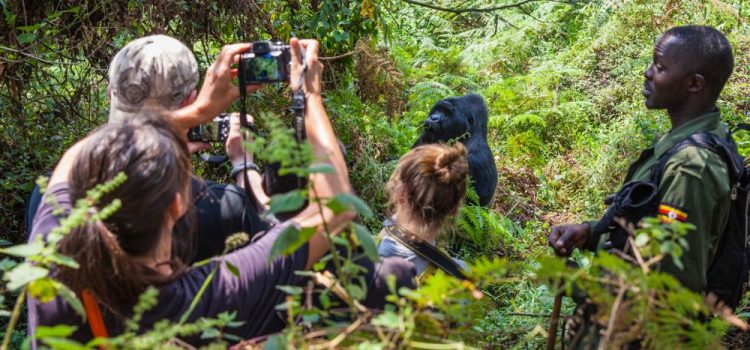
Gorilla tracking in Uganda, Unequalled Safari Adventure Experience
Uganda’s Bwindi Impenetrable National Park and Mgahinga Gorilla National Park are home to almost half of the world’s remaining mountain gorilla population, making it one of the best places in the world to track these magnificent creatures. With more habituated gorilla families available for tracking and a larger area of forest to explore, Uganda offers a more diverse and immersive gorilla tracking experience compared to Rwanda.
Uganda’s gorilla permits are generally more affordable than those in Rwanda, making it a more budget-friendly option for travelers looking to experience gorilla trekking. Overall, Uganda’s abundance of gorillas, diverse habitats, and more affordable permits give it the edge over Rwanda for those seeking an unforgettable gorilla-tracking adventure.
In addition to gorilla tracking, both Bwindi Impenetrable National Park and Mgahinga Gorilla National Park offer a variety of other activities for visitors to enjoy, such as bird watching, nature walks, and cultural experiences with the local Batwa community. The stunning landscapes of these parks, including lush forests, mist-covered mountains, and cascading waterfalls, provide a picturesque backdrop for any adventure.
Uganda’s commitment to conservation and sustainable tourism practices ensures that visitors can experience these incredible natural wonders while also supporting the protection of the gorillas and their habitats. By choosing to visit Uganda for gorilla tracking, travelers can contribute to the ongoing efforts to preserve these endangered species for future generations to enjoy.
Overall, Uganda’s Bwindi Impenetrable National Park and Mgahinga Gorilla National Park offer a unique and unforgettable experience for those seeking to encounter mountain gorillas in their natural habitat. With its abundance of gorillas, diverse habitats, and affordable permits, Uganda is truly a top destination for anyone looking to embark on a once-in-a-lifetime gorilla tracking adventure.