Malaria-Free Zones: A guide to Southern Africa vs. East Africa’s low-risk pockets.
The dream of an African safari is often a vibrant tapestry of experiences: the earth-shaking rumble of an elephant herd, the breathtaking grace of a giraffe grazing on an acacia tree, and the fiery oranges and pinks of a savanna sunset. But for many, this dream comes with a shadow of hesitation. The whispers of tropical diseases, particularly malaria, can transform anticipation into anxiety. “Can we actually do this?” becomes a persistent question, especially for families with young children, elderly travelers, pregnant women, or individuals with specific health concerns.
Let’s address that hesitation head-on. The answer is a resounding yes, you can. De-risking your safari trip is not just possible; it’s a standard part of our planning at Irembo Holiday Safaris. We understand that peace of mind is as crucial to a great vacation as game drives. The key is to know your options and make an informed decision based on your specific health needs and risk tolerance.
This guide is designed to empower you by comparing the distinct approaches to malaria risk management in two of Africa’s most popular safari regions: Southern Africa and East Africa.
The Foundation: Understanding Malaria Risk in Africa
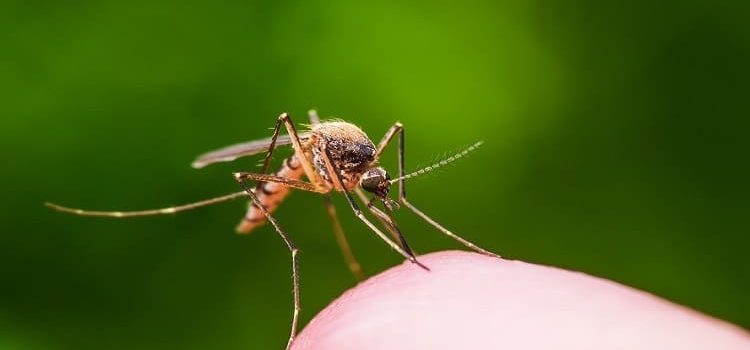
Malaria, a disease transmitted by the bite of an infected Anopheles mosquito, is a reality in many parts of sub-Saharan Africa. However, risk is not uniform. It’s a complex puzzle of geography, climate, and elevation.
-
Climate: Mosquitoes thrive in warm, humid conditions.
-
Rainfall: Standing water is the breeding ground for mosquitoes. The rainy season, which varies by region, is typically the period of highest risk.
-
Elevation: Generally, areas above 1,500 – 2,000 meters (about 4,900 – 6,500 feet) are considered to have a significantly reduced risk of malaria. The cooler temperatures at higher altitudes make it difficult for the mosquito and the parasite to survive.
The Clear Differentiator: Southern Africa’s Established Malaria-Free Zones
If you are looking for a completely malaria-free safari, Southern Africa is your primary destination. Through years of dedicated management and a fortunate combination of geography and climate, specific regions in South Africa can confidently claim “malaria-free” status.
For many travelers, this isn’t just a low-risk option; it’s a no-risk option. It eliminates the need for any chemical prophylaxis, which can be a relief for those concerned about potential side effects or for young children.
South Africa: The Pioneer of Malaria-Free Safaris
South Africa has been a trailblazer in creating safe, high-quality safari experiences in areas completely free of malaria. The two most prominent examples are:
1. Madikwe Game Reserve
Located in South Africa’s North West Province, right on the border with Botswana, Madikwe is the premier choice for a luxury, malaria-free safari. It’s one of South Africa’s largest reserves and a true conservation success story.
-
What Makes it Malaria-Free? Madikwe is a high-altitude semi-desert region. The arid climate and lack of consistent surface water create a natural barrier.
-
The Safari Experience: It’s incredible. Madikwe is home to the “Big Five” (lion, leopard, elephant, buffalo, and rhino). It is also famed for its stable populations of the rare African wild dog and the cheetah.
-
De-Risking Verdict: The risk is near zero. This is the ultimate peace-of-mind destination. It’s perfect for multi-generational family trips, including toddlers.
2. The Eastern Cape Reserves
This region, stretching from the temperate south coast up into the dramatic, drier interior, offers a range of excellent, malaria-free private reserves, including Amakhala, Kwandwe, and Kariega.
-
What Makes it Malaria-Free? These reserves are situated in a temperate climatic zone that does not support the malaria vector.
-
The Safari Experience: The Eastern Cape offers a unique landscape of rolling hills, dramatic valleys, and thicket vegetation. While you can find the “Big Five,” the focus here is often on the scenic beauty and specialized encounters with animals like black rhino, buffalo, and cheetah.
-
De-Risking Verdict: Like Madikwe, this region offers a completely malaria-free environment, making it a stress-free choice for any traveler.
A Different Strategy: East Africa’s Low-Risk Pockets
The approach in East Africa, a region encompassing Kenya and Tanzania, is different. While South Africa boasts malaria-free zones, East Africa focuses on low-risk pockets.
In East Africa, the risk can vary dramatically within a single safari itinerary. An outright malaria-free status is rare, but by carefully timing your visit and choosing specific locations, you can reduce the risk to a level that many health professionals and travelers find acceptable. In almost all cases for East Africa, taking antimalarial medication is the recommended and responsible course of action. This means the question becomes not “Can we do this without malaria?”, but rather, “Can we do this with an intelligent and manageable plan?”
Where are the Low-Risk Areas?
In East Africa, risk levels are primarily dictated by elevation.
1. High-Altitude Locations: The Best of East Africa’s Low Risk
If your dream safari is to see the iconic landscapes of the Ngorongoro Crater or to hike Mount Kenya, you are in luck.
-
Ngorongoro Crater, Tanzania: The rim of the crater is around 2,300 meters (7,500 feet). While the crater floor itself might have some risk, the rim and the surrounding Ngorongoro Conservation Area are considered very low-risk areas due to the cool temperatures.
-
Nairobi, Kenya: As one of Africa’s highest capitals (around 1,795 meters), Nairobi is a low-risk zone.
-
Central Highlands, Kenya: Areas around Mount Kenya and the Aberdare Range offer dramatic scenery and a very low risk of malaria.
2. The Dry Season: Your Timing Strategy
Your choice of season is the single most powerful factor you can control in East Africa.
-
Dry Season (June to October): This is the ideal time to travel for many reasons. Not only is game viewing spectacular as animals congregate around fewer water sources, but the lack of rain also severely limits mosquito breeding. While not a malaria-free period, it is the lowest-risk time of year.
The De-Risking Strategy for East Africa
For a trip to East Africa, the plan for mitigating malaria risk is a three-part approach:
-
Intelligent Itinerary Design: Work with a specialist (like us at Irembo Holiday Safaris) to structure your trip to spend time in high-altitude zones or to travel during the dry season.
-
Prophylaxis: Consult a travel health doctor. Modern antimalarial medications like Malarone or doxycycline are highly effective and generally well-tolerated.
-
Personal Protection Measures: This is your best line of defense. The “ABCD” approach is simple and effective:
-
Awareness of the risk.
-
Bite prevention: Use insect repellent with at least 20-30% DEET on exposed skin. Wear long, loose-fitting clothing in light colors, especially in the evenings and early mornings when mosquitoes are most active. Use a permethrin-treated mosquito net in areas where they are provided (which they are, in all quality lodges).
-
Chemo-prophylaxis (taking antimalarial medication).
-
Diagnosis: Seek medical help immediately for any flu-like symptoms after your trip.
In both Uganda and Rwanda, “low-risk” is a relative term. Unlike the specific pockets of South Africa that are certified malaria-free, these two countries are considered malaria-endemic. However, their dramatic topography—characterized by soaring mountains and high plateaus—creates “low-risk pockets” where the climate is too cool for mosquitoes to thrive consistently.
If you are asking “Can we actually do this?” because you want to minimize exposure, these are the regions to focus on:
1. Rwanda: The “Land of a Thousand Hills” Advantage
Rwanda has made incredible strides in malaria control, and its high average elevation makes it one of the safest bets in East Africa.
-
Volcanoes National Park: This is the premier low-risk zone. The park’s altitude ranges from 2,400m to over 4,500m. At these heights, the temperatures often drop too low at night for the Anopheles mosquito to remain active. While you should still take precautions, the biological risk here is significantly lower than in the plains.
-
Kigali: As one of Africa’s highest capital cities (1,567m), Kigali is considered a low-transmission area. The government also employs aggressive “Indoor Residual Spraying” (IRS) and drone-led larviciding in the city, making it a very manageable urban stopover.
-
Nyungwe Forest: Like the Volcanoes region, this high-altitude montane rainforest is much cooler than the surrounding lowlands, naturally suppressing mosquito populations.
2. Uganda: The Highland Havens
Uganda is generally higher risk than Rwanda due to its many lakes and lower-lying basins, but its southwestern corner is a major exception.
-
Bwindi Impenetrable & Mgahinga National Parks: These are the “cool” corners of Uganda. Bwindi sits between 1,190m and 2,607m. While the lower valleys of the forest still carry risk, the higher ridges and lodges are considered low-transmission zones.
-
The Rwenzori Mountains: Often called the “Mountains of the Moon,” this range reaches permanent snow-capped heights. Any trekking above 2,000m in this region effectively moves you out of the malaria “strike zone.”
-
Southwestern Highlands (Kabale & Kisoro): Often called the “Switzerland of Africa,” these districts are famous for their chilly nights and misty mornings. They have historically had very low transmission rates, though we still recommend standard protection.
| Strategy | Why it works in Uganda/Rwanda |
| Altitude is Your Ally | Stick to the parks listed above. Avoid staying long in low-lying areas like the shores of Lake Victoria or the northern savannas. |
| The “Dry” Window | Visit during the long dry season (June–September). Fewer puddles mean fewer breeding grounds, reducing the low risk even further. |
| Lodge Selection | Many luxury lodges in Bwindi and Volcanoes are built on high ridges specifically to catch the breeze and stay above the mosquito “flight ceiling.” |
The Decision: What’s Right For You?
The “Can we actually do this?” question has two correct answers, depending on who you are.
You should prioritize Southern Africa’s Malaria-Free Zones if:
-
You have very young children (e.g., under 5 years old) for whom there are few suitable antimalarial medication options.
-
You are pregnant or planning a pregnancy.
-
You have a pre-existing health condition that makes any infection or the side effects of medication a significant risk.
-
Your priority is a guarantee of zero malaria risk for maximum peace of mind. You don’t want the slight worry that comes with even low-risk situations.
You should feel confident planning an East Africa Safari if:
-
You are a healthy adult or have older children.
-
You have the flexibility to travel during the dry season (June – October).
-
You are willing to follow a robust, three-part prevention plan (smart planning, medication, and bite prevention).
-
Your heart is set on specific, iconic experiences like the Great Migration, and you are comfortable with a managed, very low risk.
Conclusion: Trusting your Instincts and your Experts
The most important thing to remember is that you are not alone in making this decision. At Irembo Holiday Safaris, our expertise is not just in knowing where the animals are, but also in understanding the needs of our clients.
We don’t provide a one-size-fits-all safari. We are a family of travelers ourselves, and we approach your planning with the same care and consideration we would use for our own. If you have any hesitation, the best first step is to pick up the phone or send us an email. Let’s talk about your concerns, your travel group, and what you dream of seeing. We can create an itinerary that is perfectly aligned with your comfort level.
De-risking a safari trip isn’t about compromising on the experience; it’s about choosing the right experience for you. The result is not just a safer trip, but a more profound one. When the element of worry is removed, you can truly connect with the magic of Africa. The sound of the elephant herd becomes a powerful memory, the sunset becomes an emotional experience, and the entire safari becomes the trip of a lifetime.
Ready to experience the magic of the savanna with total peace of mind? Reach out to [our team] to start planning your perfect malaria-free African adventure.
Experience the Wild.
Explore These 7 Amazing Activities on Your Safari in Queen Elizabeth National Park, Uganda
Nestled in the Rift Valley and framed by the majestic snow-capped Rwenzori mountains, Queen Elizabeth National Park is a treasure trove for safari enthusiasts. The Kasenyi and Ishasha Plains are home to sizable groups of Uganda kob, the national antelope. Be always on the lookout for lurking lions. Meanwhile, Lakes Edward and George, along with the Kazinga Channel that links them, are teeming with around 5,000 hippos. These waters have a rich variety of waterbirds, attracting thirsty herds of elephants and buffalo.
Queen Elizabeth National Park Activities include:
1. Early Morning Game Drive in Queen Elizabeth National Park
Picture yourself in the gentle glow of the early morning, snuggled in a cozy blanket as the wildlife stirs from their slumber or returns from their nighttime escapades. There’s a refreshing sense of renewal during a morning game drive. The sun still rising and the day yet to heat up. This makes a perfect time to enjoy the wonders of safari.
Feel the excitement as you come across a powerful pride of lions on the hunt, alongside the awe-inspiring African elephant, young cape and forest buffalo, lively warthogs, graceful waterbuck, Uganda kob, bushbuck, topi, and the remarkable giant forest hog. After about 3-4 hours of exploration, you’ll return to the lodge for a delightful hot lunch.
2. Evening Game Drive in Queen Elizabeth National Park
Experiencing an evening game drive is a highlight of any safari journey. As the sun sets and the air cools, the wildlife becomes more active. This time offers fantastic lighting for taking breathtaking photos, and it’s one of the best opportunities to see a variety of animals in their natural surroundings.
During this drive, you might even catch a glimpse of species you may have overlooked the day before, such as Forest Elephants, Buffalos, Uganda Kob, Topi, Warthogs, and Waterbucks. The drive typically lasts around 2 hours
3. Boat Trip on Kazinga Channel in Queen Elizabeth National Park
Boat trips/tours/safaris along the Kazinga Channel are a must-do for wildlife enthusiasts visiting Queen Elizabeth National Park. As you glide through the waters, you’ll see groups of grunting hippos, elephants, and buffalo making their way to the shore for a drink. The area is also a haven for various aquatic birds, and you might even catch a glimpse of the stunning snowcapped Rwenzori mountains.
Keep your eyes peeled for the giant forest hog, a unique local inhabitant. Surrounded by steep cliffs and nestled beneath the glacial peaks, Kazinga is teeming with hippos, elephants, buffalo, waterbuck, and Uganda kob. While lions, leopards, and giant forest hogs are less frequently spotted, the birdwatching here is exceptional.
You can expect to see one of the largest hippo populations, thirsty elephants, Nile crocodiles, and over 600 bird species, including Ayres’ Hawk Eagle, Collared pratincole, Palm-nut Vulture, and Swamp Flycatcher.
4. Experitial Lion & Leopard Tracking in Queen Elizabeth National Park
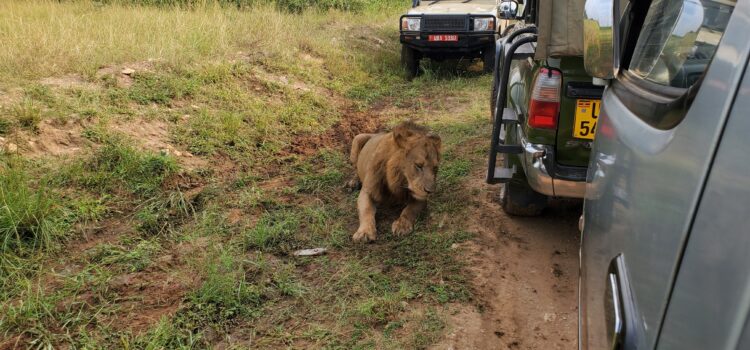
Lion tracking is exclusively offered in the northern part of Queen Elizabeth National Park, specifically in the Kasenyi section. Here, under the supervision of researchers, participants can follow lions by listening for their calls and tracking signals from collars worn by the lions. During this thrilling experience, trackers can use vehicles to navigate the area and locate the predators based on the signals they receive.
This unique opportunity is perfect for wildlife enthusiasts who want to immerse themselves in nature, engage in research, and learn about the behavior of these magnificent animals. The lion tracking adventure also includes insights into leopards, providing a comprehensive research experience led by knowledgeable researchers who expertly guide participants in locating these incredible cats using a mix of locators and radio collars.
5. Chimpanzee tracking in Kyambura gorge or Kalinzu Forest Reserve
Chimpanzee trekking is the highlight of Kalinzu Forest, making it the second-best spot for this activity after Kibale Forest National Park in Uganda. This forest reserve is home to over 300 chimpanzees, including 40 families that have been habituated to human presence. Its proximity to Queen Elizabeth National Park and Bwindi Impenetrable National Park makes Kalinzu Forest a fantastic stop for visitors seeking an unforgettable experience.
Trekking for chimpanzees in Kalinzu is offered in two sessions: the morning session at 8 am and the afternoon session at 2 pm, each providing a unique experience. Tourists gather at the reserve headquarters for a briefing, are grouped with five others, and assigned a guide and park ranger before embarking on their trek.
Finding the chimpanzees can take a few hours, as they roam in search of food, and the trails can vary. Once located, visitors have one hour to observe and photograph the chimps as they engage in various activities like jumping between branches, communicating, grooming, feeding, playing, and resting.
6. Birding safaris in Queen Elizabeth National Park
Queen Elizabeth National Park is an exceptional spot for birdwatching. The park boasts a diverse range of habitats, from the lush tropical forests of Kyambura Gorge to the wetlands surrounding Lakes Edward and George, making it a haven for numerous bird species. With over 600 recorded bird species, it holds the most extensive checklist of any protected area in East Africa.
The park’s impressive tally of more than 610 species showcases its rich ecological variety. The swamps near the Ishasha Plains and Lake George are particularly known for the elusive shoebill, while large groups of flamingos can be seen seasonally in the salty crater lakes like Katwe and Bunyampaka. Pelicans are frequently spotted along the Kazinga Channel. Birdwatching is rewarding throughout the year, but the prime time is from late May to September when rainfall is minimal and food sources are plentiful.
June and July typically experience the least rain, whereas April to May and September to November see the most precipitation. Heavy rains can lead to impassable roads and slippery trails, potentially limiting your birdwatching opportunities. Migratory birds are present in the park from November to April.
7. Community/Nature Walk in Queen Elizabeth National Park
The community around Queen Elizabeth National Park showcases a wonderful example of harmony between the local residents and the wildlife that inhabits the area. You’ll have the chance to immerse yourself in local folklore, traditional crafts, pastoral practices, and agricultural activities.
Additionally, you can visit the cultural huts of the Bakonzi, Basongora, and Banyabindi ethnic groups. This walk offers a unique opportunity to explore the beautiful wilderness, allowing you to leisurely observe small ecosystems. Your guide will share insights about the ecological significance of the wildlife. This experience can be enjoyed either in the morning or evening and lasts approximately 2-3 hours.
At Irembo Holiday Safaris, we’ve got your planning covered! We’ll take care of all your preferences to make sure you have an amazing safari experience. Reach out to us and let’s chat!
Gorilla Trekking: Accessible to all – age, injured, and handicapped
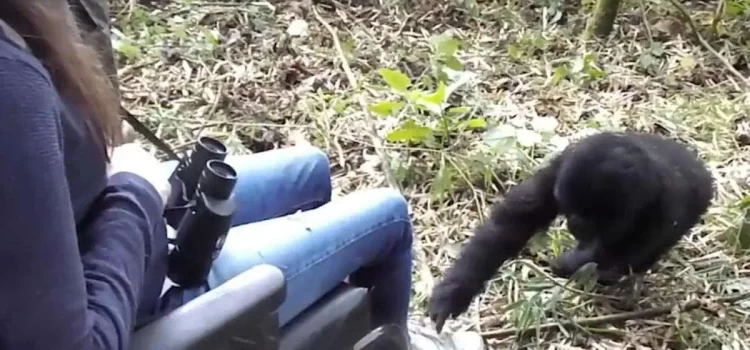
The gorilla tracking experience in Uganda is not limited by age or physical ability, as the country has made efforts to ensure that everyone can participate in this incredible wildlife adventure. Special accommodations and assistance are available for individuals with disabilities and the elderly, allowing them to fully enjoy the experience of observing these majestic creatures in their natural habitat.
Uganda’s gorilla tracking experience not only promotes conservation and education but also fosters a sense of unity and connection among people of different backgrounds and abilities.
A favored option for families and groups
Uganda’s commitment to inclusivity in gorilla tracking sets it apart from other destinations, making it a popular choice for families and groups with diverse needs. The country’s national parks and conservation areas have been designed to be accessible to all, with trained guides and staff ready to assist visitors with mobility challenges or other special requirements.
A sense of unity and connection
By offering a welcoming and inclusive environment for all visitors, Uganda’s gorilla tracking experience not only promotes conservation and education but also fosters a sense of unity and connection among people of different backgrounds and abilities. This commitment to accessibility ensures that everyone has the opportunity to create lasting memories and form a deeper appreciation for the natural world.
GET IN TOUCH
Planning a Gorilla Trekking Safari?
A safari lodge: All there is and more!
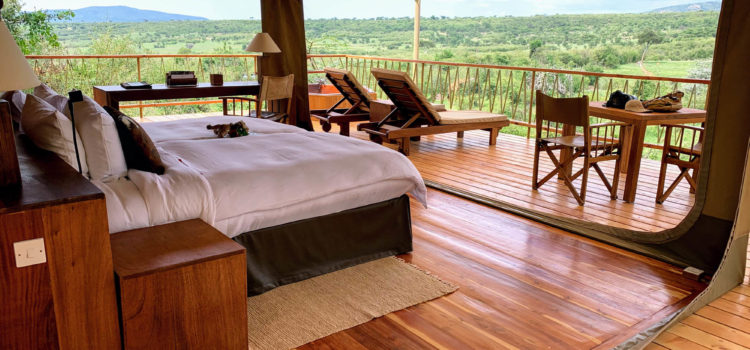
A safari lodge, often referred to as a game lodge, represents a distinctive category of tourist accommodation that is predominantly found in the breathtaking landscapes of southern and eastern Africa. These lodges are specifically designed to cater to visitors who are eager to engage in wildlife safaris, offering them a unique opportunity to immerse themselves in the natural beauty and diverse ecosystems of the region. Typically, these lodges are strategically situated within or adjacent to national parks or game reserves, allowing guests easy access to some of the continent’s most remarkable wildlife viewing experiences.
The locations of safari lodges are often remote and nestled in rural settings, providing a tranquil escape from the hustle and bustle of urban life. In addition to offering comfortable lodging, these establishments also provide meals and a variety of activities that enhance the safari experience, such as guided game drives, walking safaris, and birdwatching excursions. The quality of accommodation at safari lodges can vary significantly, catering to a wide range of preferences and budgets. On one end of the spectrum, there are basic bush camps, which may consist of simple tented accommodations that allow guests to experience the wilderness up close. On the other end, there are opulent lodges that resemble high-end hotels, complete with luxurious amenities, gourmet dining, and personalized service.
Read also: The Unforgettable Adventure of Gorilla Tracking in Uganda and Rwanda
Unlike traditional hotels or guesthouses, which typically comprise multiple rooms within a single structure, safari lodges often feature individual buildings or chalets that provide a greater sense of privacy and seclusion. Each unit usually includes essential amenities such as a comfortable bedroom, a private bathroom, and a terrace or balcony that offers stunning views of the surrounding landscape. In some cases, lodges may also include small kitchen facilities, allowing guests the option to prepare their own meals or enjoy a more intimate dining experience.
Safety is a paramount concern at safari lodges, and the premises are often secured to ensure the well-being of guests. This may include measures such as perimeter fencing, security personnel, and controlled access to the lodge grounds. Overall, a stay at a safari lodge not only provides comfortable accommodation but also offers an immersive experience in the heart of Africa’s wildlife-rich environments, making it a memorable choice for travelers seeking adventure and connection with nature.
GET IN TOUCH
Looking for Accommodation?
The Unforgettable Adventure of Gorilla Tracking in Uganda and Rwanda
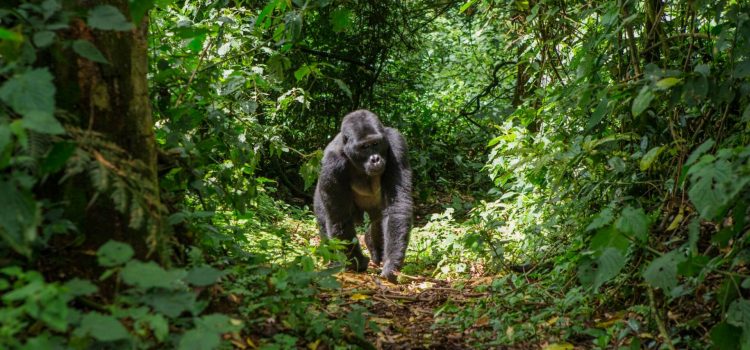
Uganda’s Bwindi Impenetrable National Park and Mgahinga Gorilla National Park are not just significant for their breathtaking landscapes; they are also crucial sanctuaries for the mountain gorilla, housing nearly half of the world’s remaining population of these magnificent creatures. This makes Uganda one of the premier destinations for those eager to track and observe mountain gorillas in their natural habitat.
One of the standout features of Uganda’s gorilla tracking experience is the greater number of habituated gorilla families available for visitors to track. This means that travelers have a higher chance of encountering these incredible animals up close, as they have become accustomed to human presence.
Additionally, the vast expanse of forest in both Bwindi and Mgahinga offers a rich and varied environment to explore, allowing for a more immersive experience in the heart of the gorilla’s habitat. The diverse ecosystems within these parks not only enhance the gorilla tracking experience but also provide opportunities to observe a wide range of other wildlife and plant species, making each trek unique and rewarding.
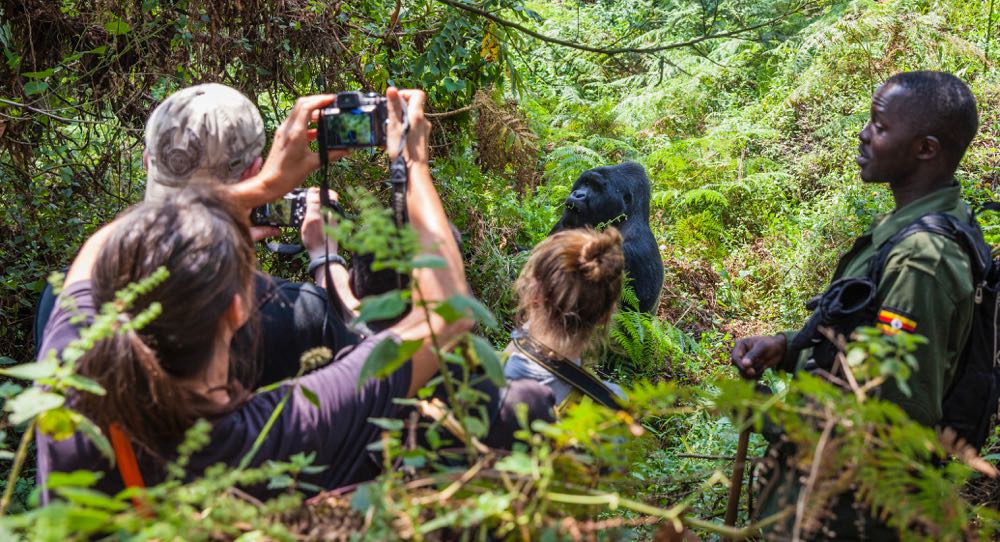
In terms of cost, Uganda’s gorilla permits are generally more affordable than those in Rwanda, which can be a significant factor for travelers on a budget. This cost-effectiveness allows more people to partake in the life-changing experience of gorilla trekking without breaking the bank. The savings on permits can also enable visitors to allocate more of their budget towards other activities, and accommodations, or even extend their stay to explore more of Uganda’s stunning landscapes and rich cultural heritage.
In summary, Uganda’s abundance of gorillas, diverse habitats, and more budget-friendly permit options, make it a superior choice for those seeking an unforgettable gorilla-tracking adventure. Whether you are a seasoned traveler or a first-time visitor, the opportunity to witness these gentle giants in their natural environment is an experience that will leave a lasting impression and create memories to cherish for a lifetime.
Gorilla tracking in Uganda, Unequalled Safari Adventure Experience
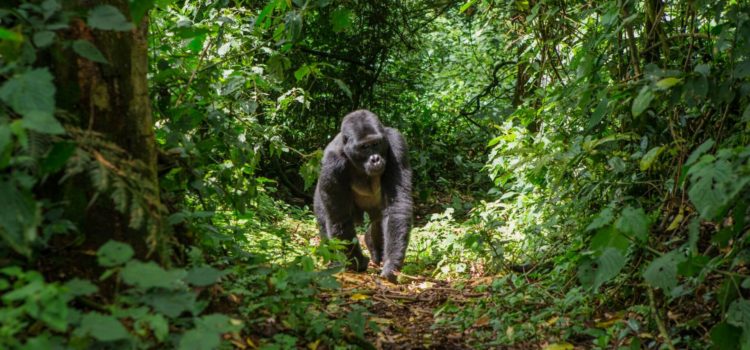
Uganda’s Bwindi Impenetrable National Park and Mgahinga Gorilla National Park are home to almost half of the world’s remaining mountain gorilla population, making it one of the best places in the world to track these magnificent creatures. With more habituated gorilla families available for tracking and a larger area of forest to explore, Uganda offers a more diverse and immersive gorilla tracking experience compared to Rwanda.
Uganda’s gorilla permits are generally more affordable than those in Rwanda, making it a more budget-friendly option for travelers looking to experience gorilla trekking. Overall, Uganda’s abundance of gorillas, diverse habitats, and more affordable permits give it the edge over Rwanda for those seeking an unforgettable gorilla-tracking adventure.
In addition to gorilla tracking, both Bwindi Impenetrable National Park and Mgahinga Gorilla National Park offer a variety of other activities for visitors to enjoy, such as bird watching, nature walks, and cultural experiences with the local Batwa community. The stunning landscapes of these parks, including lush forests, mist-covered mountains, and cascading waterfalls, provide a picturesque backdrop for any adventure.
Uganda’s commitment to conservation and sustainable tourism practices ensures that visitors can experience these incredible natural wonders while also supporting the protection of the gorillas and their habitats. By choosing to visit Uganda for gorilla tracking, travelers can contribute to the ongoing efforts to preserve these endangered species for future generations to enjoy.
Overall, Uganda’s Bwindi Impenetrable National Park and Mgahinga Gorilla National Park offer a unique and unforgettable experience for those seeking to encounter mountain gorillas in their natural habitat. With its abundance of gorillas, diverse habitats, and affordable permits, Uganda is truly a top destination for anyone looking to embark on a once-in-a-lifetime gorilla tracking adventure.
Why Local Tour Operators Are the Key to Unforgettable Travel Experiences
When it comes to planning a safari in East Africa, it’s important to choose a tour operator that not only has a deep understanding of the local wildlife and landscapes but also prioritizes sustainable and responsible tourism practices. At Irembo, we work closely with local communities and conservation organizations to ensure that our safaris have a positive impact on the environment and the people who call these areas home.
The role of a tour operator goes beyond just booking accommodations and organizing activities. A reputable tour operator will also provide valuable insights and recommendations based on their firsthand experience and knowledge of the region. This can include tips on the best times to visit certain destinations, hidden gems that are off the beaten path, and cultural experiences that will enhance your safari adventure.
In addition to providing exceptional customer service and personalized attention, a reliable tour operator will also have strong relationships with local suppliers and partners. This can result in exclusive access to certain areas, special experiences, and competitive pricing for their clients. By choosing a tour operator with strong connections in the industry, you can ensure that you have access to the best that East Africa has to offer.
GET IN TOUCH